Hair is one of those things you don’t truly appreciate until it starts to disappear, and I don’t mean an accidentally too-short haircut. I’m talking about the slow, unsettling realisation that your hair no longer behaves the way it once did.
The focus is so often on men balding, yet midlife women quietly experience hair loss through perimenopause and menopause, noticing receding hairlines, reduced volume and a lack of the shine they benefited from so effortlessly in their twenties. It can feel disorientating, especially when your hair has always been part of how you recognise yourself.
The same can also be true for women living with chronic illness, such as fibromyalgia. When the body is unwell, its priorities shift. Blood cells rush to support vital organs and systems, redirecting vitamins and minerals away from what the body considers non-essential, including hair growth. Iron, zinc, biotin and protein, all crucial for healthy hair, are often depleted. The result is hair that grows more slowly, sheds more easily and feels weaker and duller. For women already managing fatigue and pain, watching their hair thin can feel like another quiet loss layered on top of everything else.
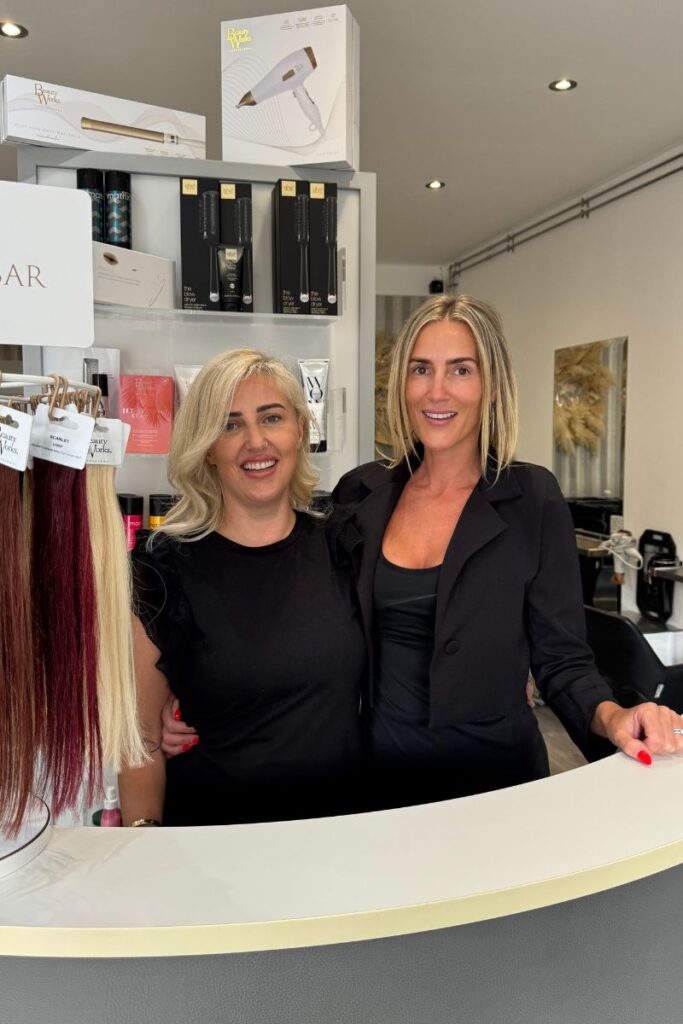
Sara, owner of Trez Hair and Beauty and a long-term illness sufferer herself, understands this deeply. “Our clientele is made up of women who often report that their ponytails are thinner and they can’t get it to sit the way that they want,” she explains. “They ask for haircuts that will make their hair look thicker. That’s why we decided to train the team in hair extensions, to offer something that genuinely helps women feel better.”
Hair extensions are often misunderstood. They’re frequently thought of as damaging, but that reputation usually comes down to poor application or aftercare. Extensions can pull natural hair when they’re left in for too long, badly maintained, brushed aggressively or fitted incorrectly. When applied properly and cared for well, extensions don’t damage hair, in fact they enhance it.
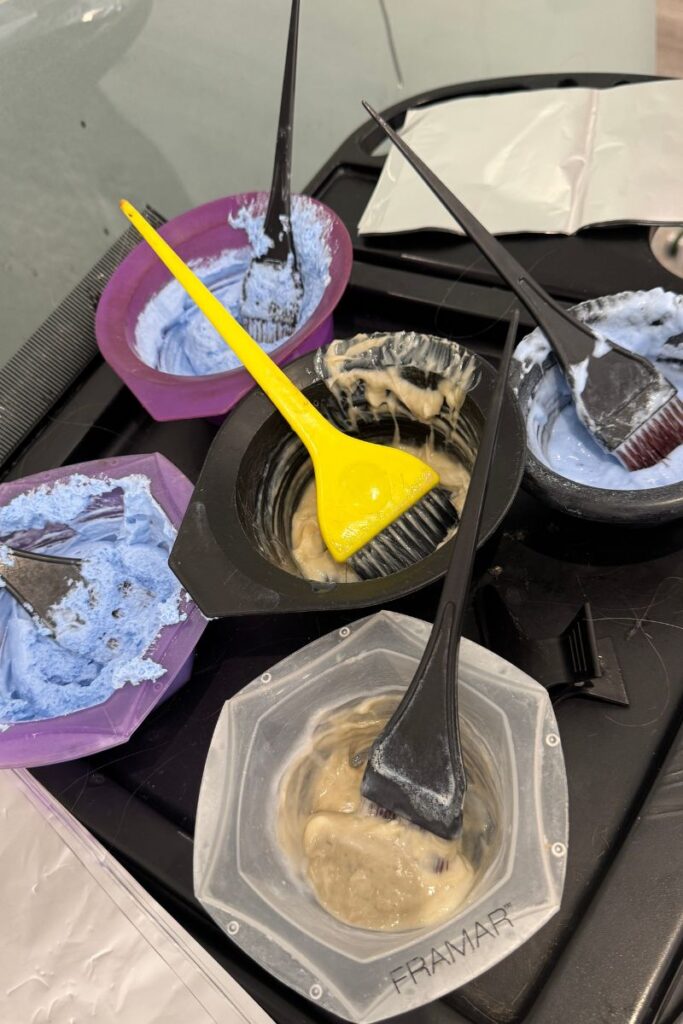
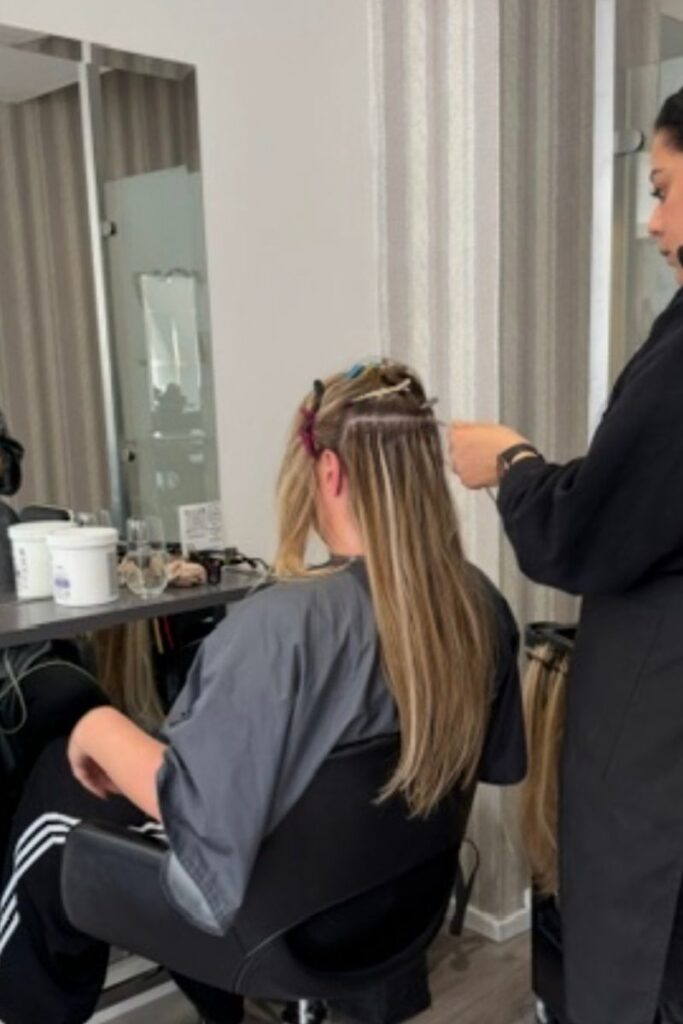
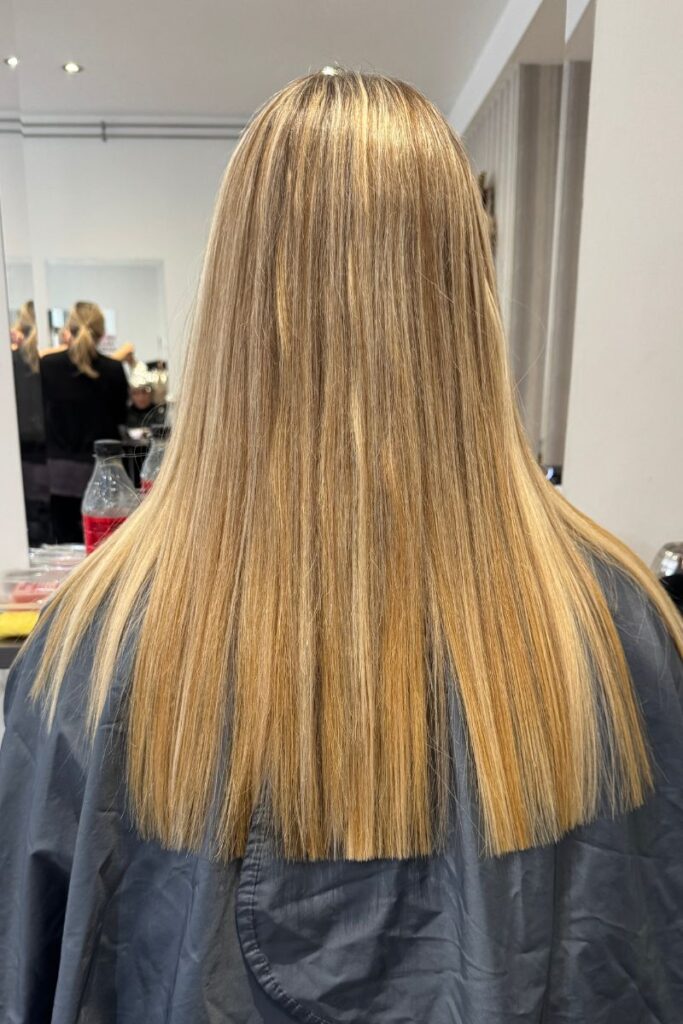
The benefits go far beyond added length. Extensions instantly restore volume, giving hair a healthier, fuller appearance. They also hold a style for longer, meaning less reliance on heat tools, which is a huge bonus for thinning hair. Once fitted, they’re surprisingly low maintenance, making them a convenient option for women who don’t want to spend hours styling. But the real benefit is confidence. That feeling of looking in the mirror and liking what you see again is powerful.
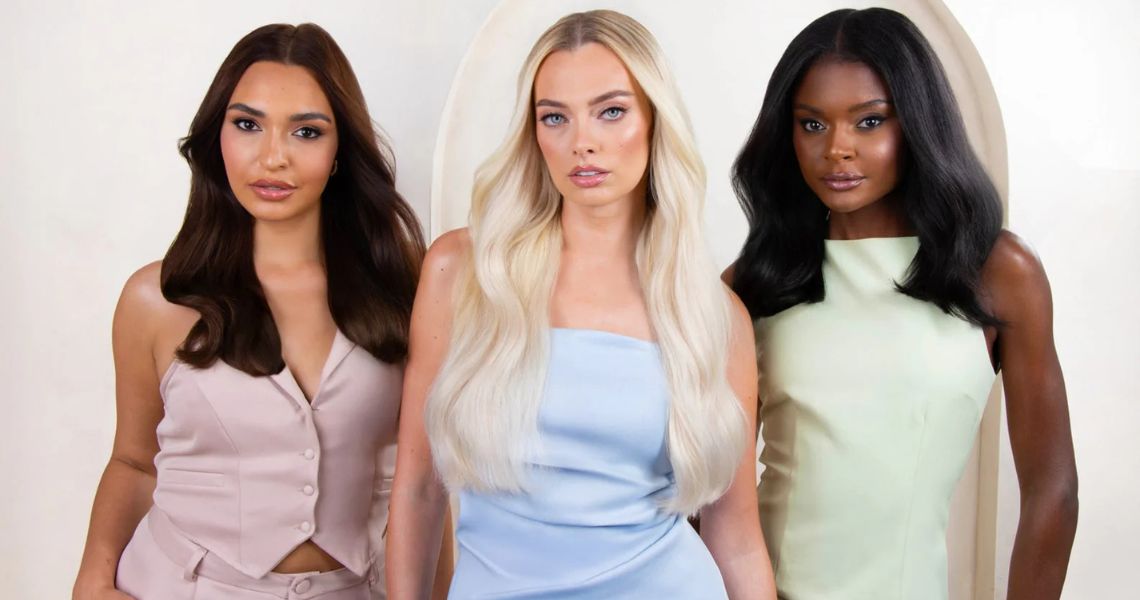
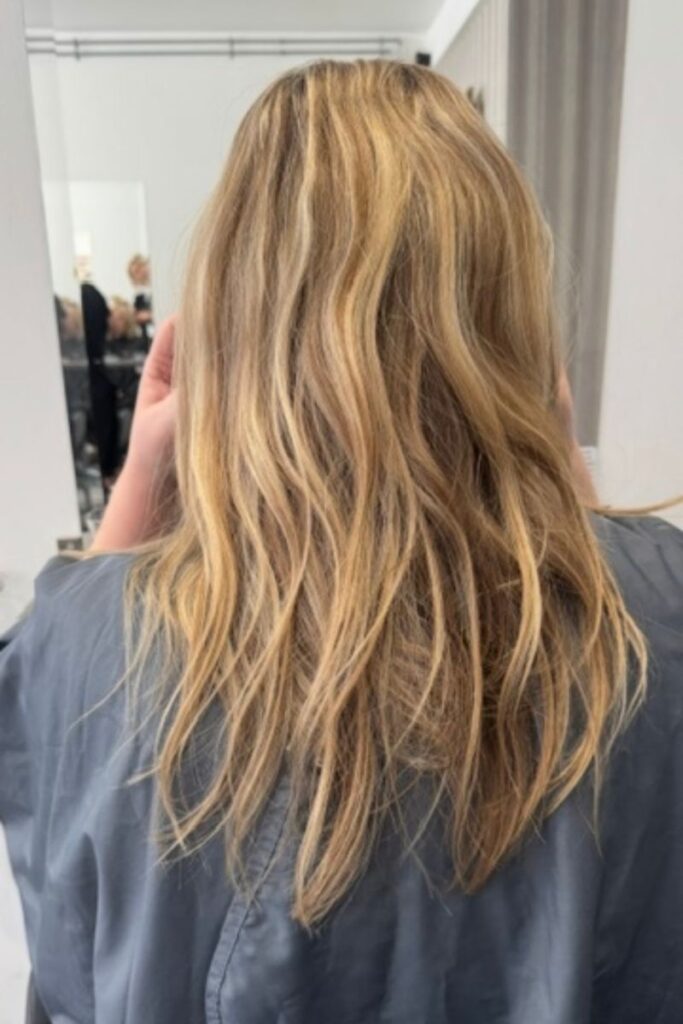
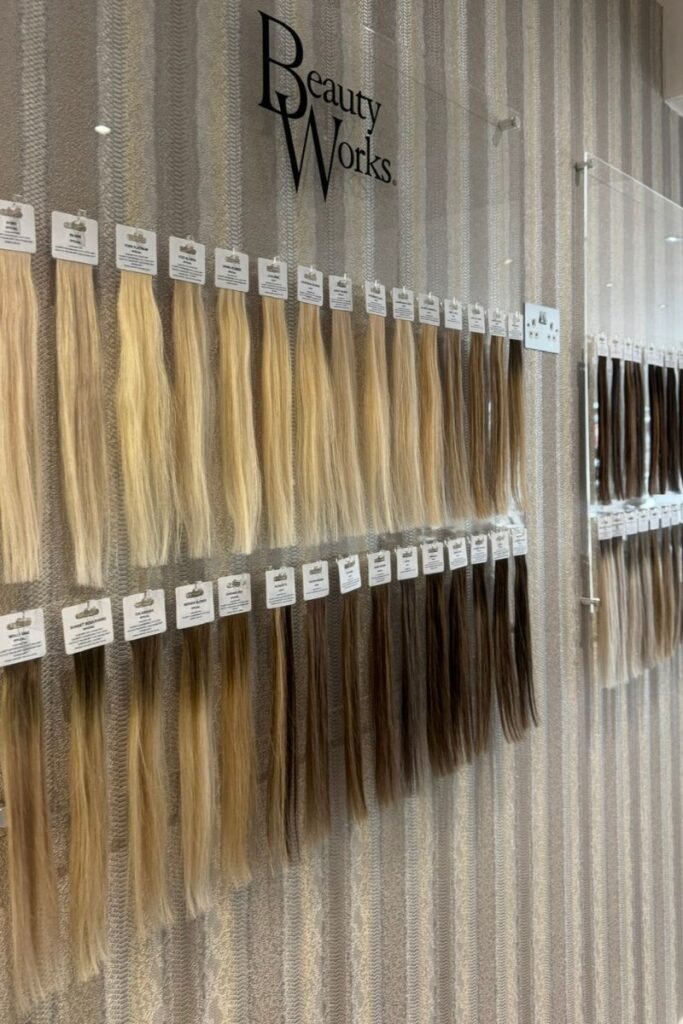
At Trez, options include tapes, nano rings and keratin bonds, designed to suit all hair types and budgets. I chose nano bonds, blending different shades to give my hair depth and dimension. One of the biggest advantages of nanos is that they can be removed and refitted, making them a cost-effective option, as you’re not buying new hair every few months.
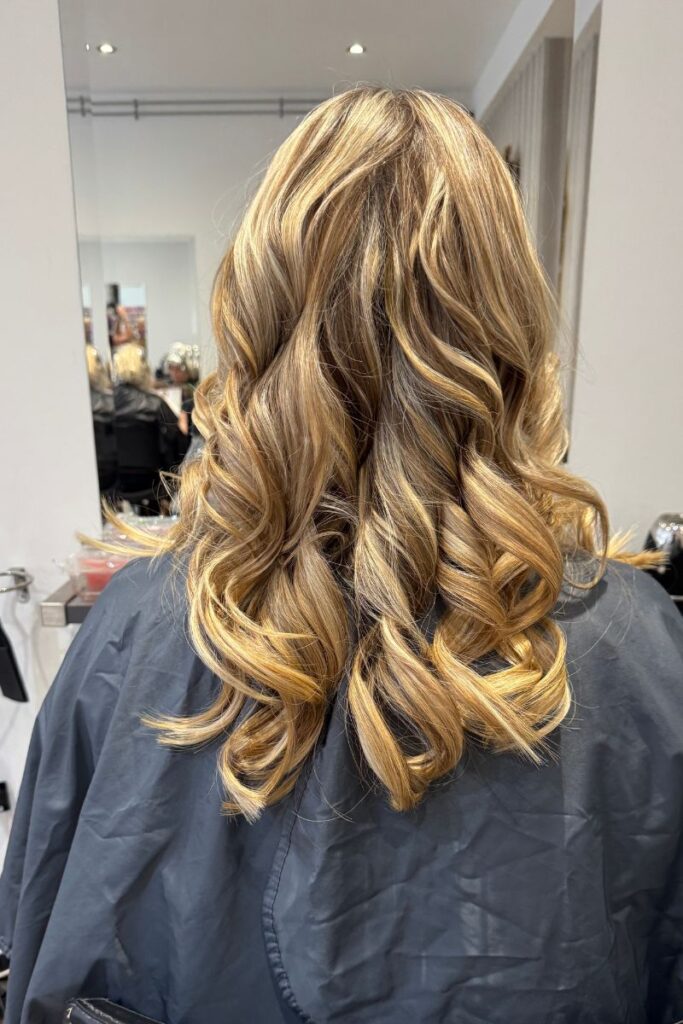
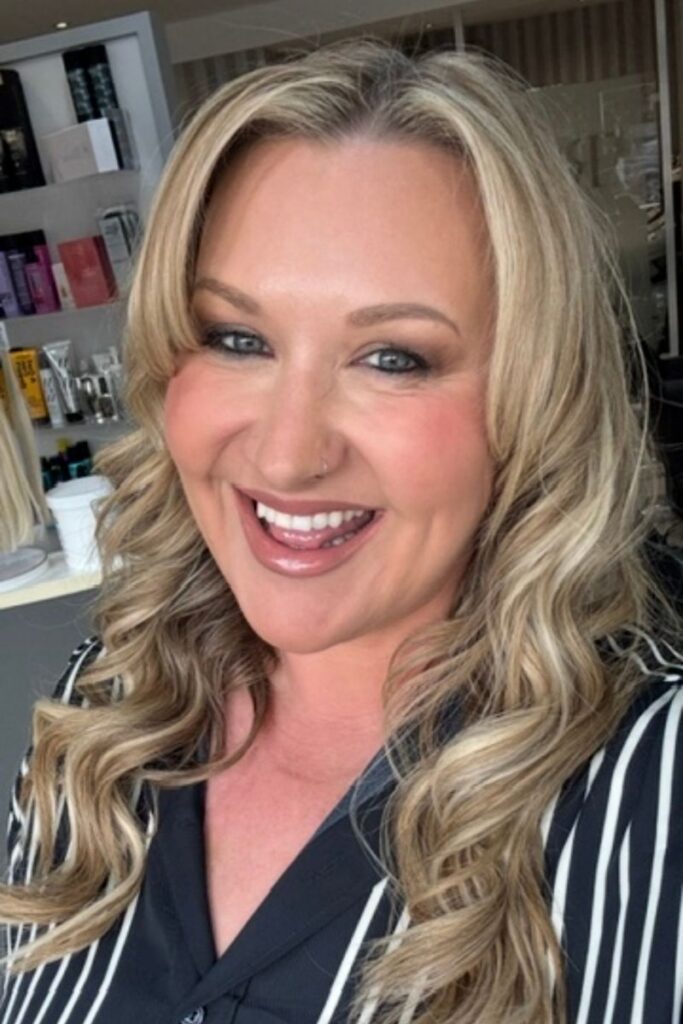
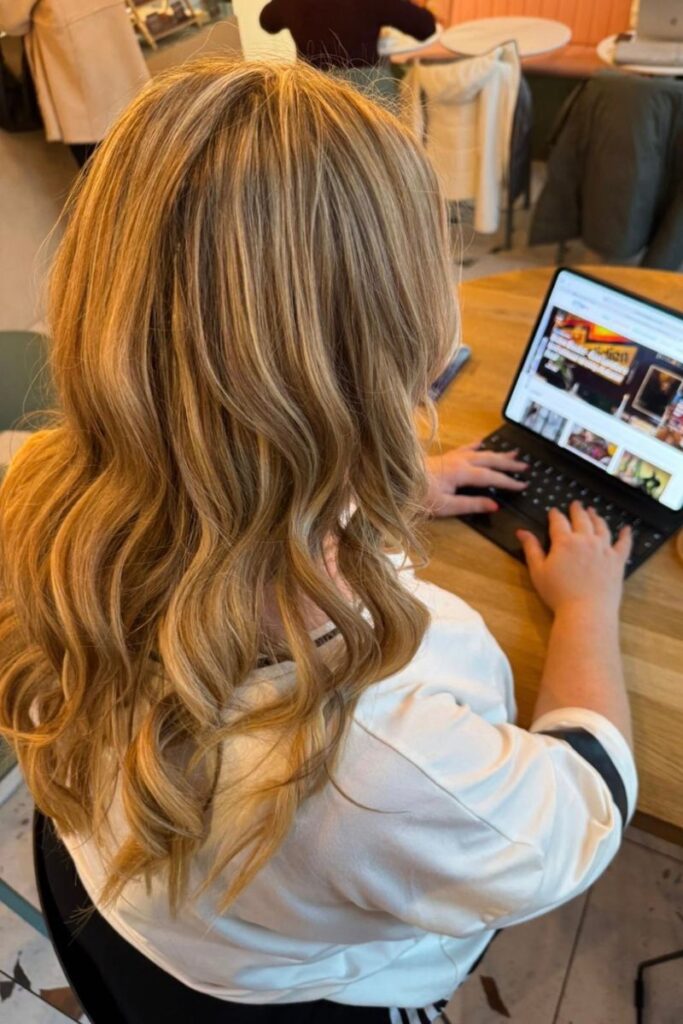
Owners Shelly and Sara genuinely love the transformations they create. They often hear the same reaction, clients can’t believe the difference in how it makes them feel. After years of lacklustre perimenopausal hair, I’m a complete convert. My hair is reliably good. Styles stay in place. I don’t need to wash it as often, and I receive more compliments than I have in years.
I can’t recommend Trez highly enough. The colour matching was perfect, allowing me to subtly shift tones from summer to winter. And being outside central London means the results don’t come with a hefty price tag. Trez Hair and Beauty are currently offering 20% off hair extension fittings until 31/01/2026.
So, if you’re experiencing hair loss, through hormones or illness or you’re ready for a change in 2026, hair extensions might be worth reconsidering. Sometimes it’s not about vanity. Sometimes it’s about feeling like yourself again.
Review and Images by Emmie Blower @emmiebhungry
Feature image courtesy of unsplash.com