
A cosy home is welcoming. It’s inviting to guests and a relaxing space for you and the family. That makes it a place you look forward to returning to after a long day at work or a busy day out, especially as the evenings get cooler. Thankfully, making the interior cosier is simpler when you use the tips below, from adding soft furnishings to better temperature control. There are suggestions to fit many budgets.
Let’s go room by room, starting with making the living room more cosy, as this is where your family likely spends most of their time.
Living Room: Add Layers of Fabrics
Whether you call it the living room, front room, or sitting room, you want it to be as comfortable as possible. Only then can you fully relax with the family. Layering is one of the easiest ways to add a warmer, more inviting feel to the popular room.
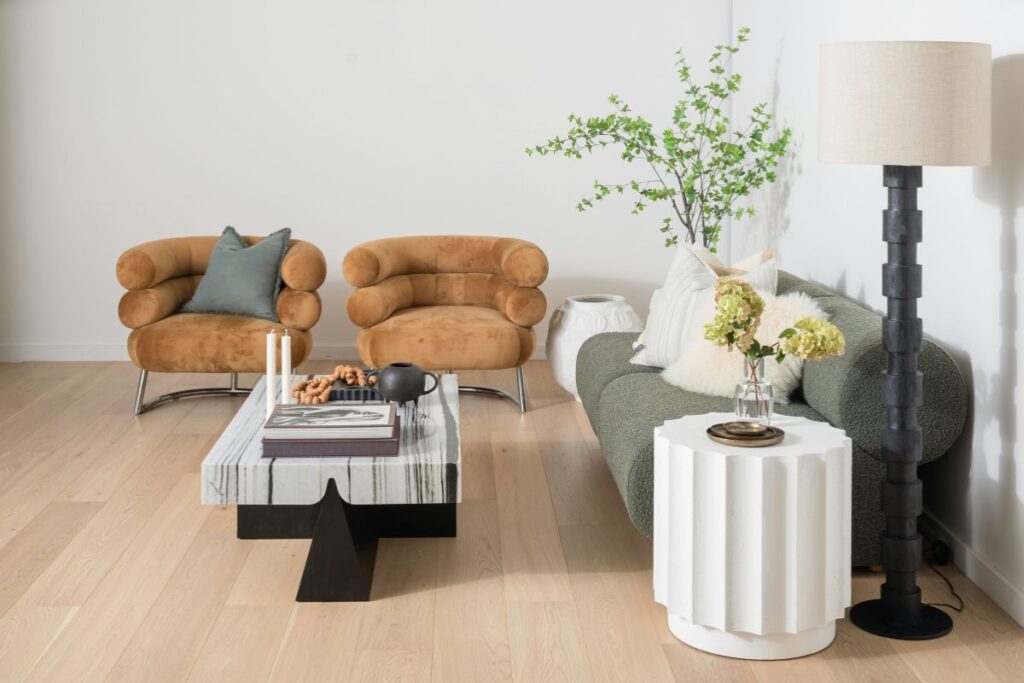
If you have wooden or tile floors, you may notice that these materials make the room echo when you speak or make the air feel cooler. Insulating these types of floors starts with a high-quality rug (or two or three, depending on the room size).
Then add a throw to the back of the sofa and some cushions. Thick fabrics add comfort. Another tip is to mix different fabrics, such as wool and velvet, to look good without seeming cluttered. For rugs, throws, and cushions, neutral colours are likely best in autumn and winter, such as off-white, beige, and grey.
Bedroom: Changes to Make
The bed is the main piece of furniture, so it makes sense to focus here on making it more cosy. Remove lightweight quilts and put on a warmer, softer duvet instead. That can keep you warmer, especially on the coldest nights of the year. For sheets, brushed cotton or flannel ones have an even softer feel than regular cotton and can easily go into the washer to clean.
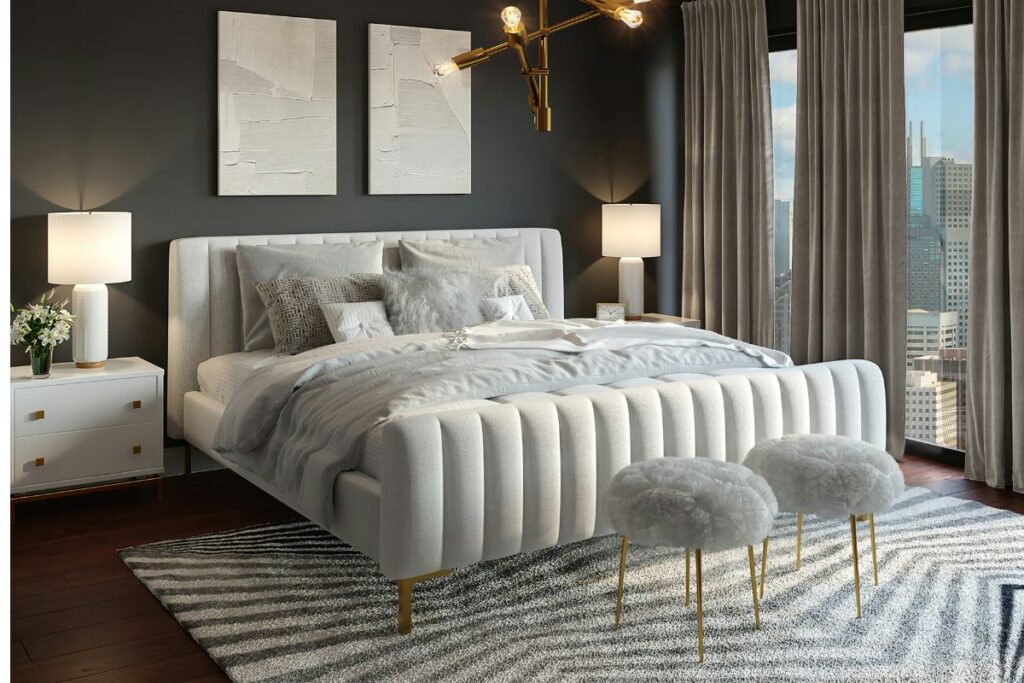
When making the bed in the morning, fold extra blankets at the foot of it. Why? That can make it look more luxurious. Then, add several pillows. That gives a stylish look while also adding physical warmth. It’ll be a place you look forward to going to. The relaxing atmosphere helps you unwind and encourages better sleep.
You may also want to put up blackout curtains or blinds, which are thicker than typical drape materials. The material helps retain heat while keeping out early-morning light that could otherwise wake you up before you’re ready. The thick material also helps with sound by keeping outside noise out; a quieter space could lead to a deeper sleep.
Kitchen: An Easy Lighting Approach
One way to make the kitchen feel warmer is with a simple lighting change. Replace cool white bulbs (have a reading of 4000-6500 Kelvin) with warm white bulbs (2700-3000K) to soften the room’s overall atmosphere. In only minutes, you’ll notice the difference, and so too will guests at your next party when they enter the room to socialise. Changing bulbs is affordable, fast, and makes the room cosier right away.
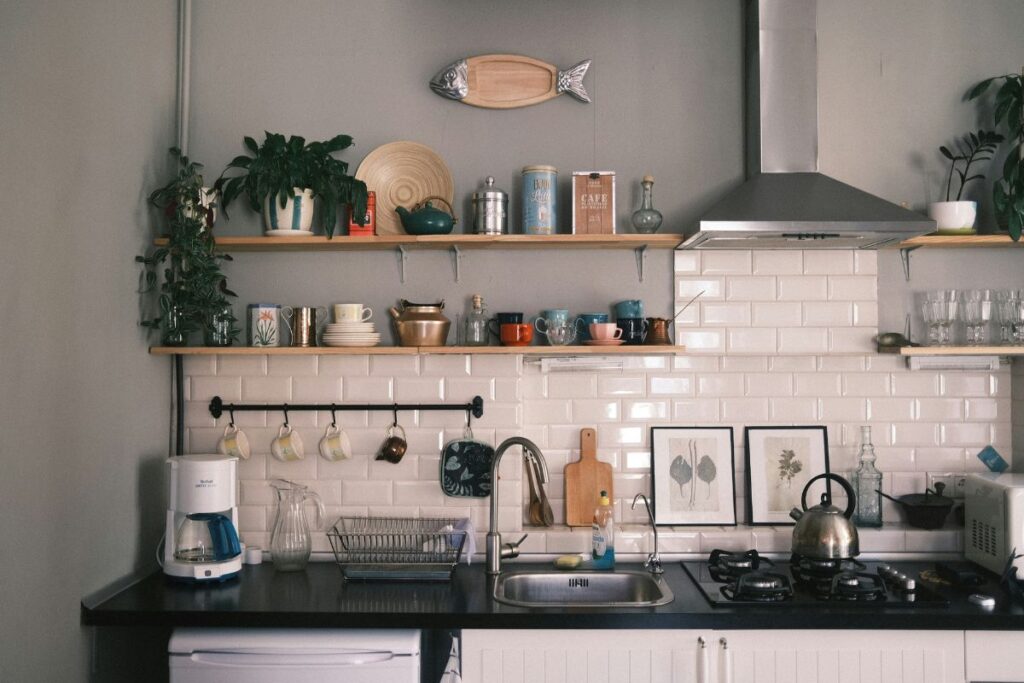
Given you will want brighter lighting where you’re preparing food to better see what you’re doing, especially when cutting meats and vegetables, layering lights in this room makes sense. Consider installing focused, bright lighting on the work counter and softer bulbs for ambient lighting over the area where you sit, eat, or gather with family and friends.
Other easy ways to make the kitchen feel less cold include adding fabric blinds and a rug. A nonslip runner rug near the sink or stove adds warmth and comfort below your feet. Choose one that can fit in the washer to clean as needed and keep looking its best.
Bathroom: Tips for Improving It
The bathroom might not be a room you think about much when it comes to design and comfort. But making small touches can help it feel cosier, so using the room is a more pleasant experience. It could be as simple as getting thicker, softer towels and a plush bath mat.
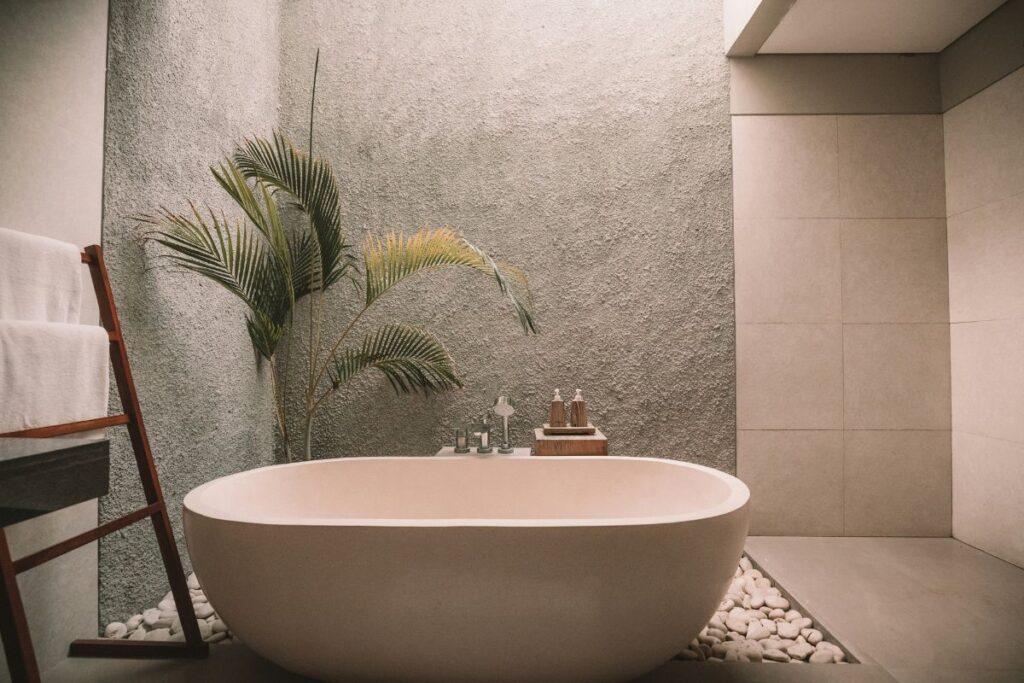
You can also improve the room’s lighting. Changing the cold white bulbs for warm white bulbs will soften the feel of the bathroom. That makes for a more relaxing space when you’re getting ready. It is also a fast change to make.
Adding scented candles and regularly lighting them is another idea. You can put them on the counter or by the bath. Great choices are relaxing lavender or luxurious-smelling jasmine and ylang ylang. Don’t use too many as that can make the bathroom look cluttered, especially if it’s a small space. Also, blow them out if you’re not in the room, especially if you have pets and kids, for safety. The scents can flow into other rooms, too, for a nice ambiance.
Heating: Update Heaters
Heating affects how comfortable your home feels. That’s especially true in the coldest months (December, January, and February). Modern electric radiators that can be individually controlled allow you to set specific temperatures throughout the different rooms. That gives you greater control over your heating. Stay cosy at the temperatures that you find most comfortable.
To get the most value, choose radiators that are also energy efficient. That reduces your family’s electricity use, making your home more sustainable. You’ll also have lower utility bills than before to look forward to, given you’re using less energy. Best of all, you’re improving comfort rather than reducing it.
Adding these radiators is easier than other options that rely on plumbing and piping to heat rooms. Unlike gas and oil central heating, electric radiator installation is typically quicker and won’t disrupt your whole house.
Conclusion
Hallways and entryways also deserve mention. They’re often overlooked, yet the first place to get cold air from outside. Simple updates include hanging thicker curtains and adding a runner to the floor.
The small, quick changes described above can be really helpful. You’re well on your way to making all the rooms of your house more cosy. You can easily turn your home into a more inviting space. That makes it a place you and your family want to be.
Images courtesy of unsplash.com, Freepix and pexels.com