
When it comes to vehicle safety, many drivers know the basics: check your tyre pressure, change your oil and ensure your brakes are working. But beyond these well-known tasks are several hidden checks that are just as critical to keeping you safe on the road.
These lesser-known safety checks can help you avoid breakdowns, prevent accidents and extend the life of your vehicle.
Inspecting Your Vehicle’s Lights

Most people know to use their headlights at night, but few take the time to regularly inspect all their vehicle’s lights. This includes brake lights, indicator lights, fog lights and reversing lights. Faulty lighting isn’t just inconvenient; it can make your car invisible in critical situations, especially during bad weather or at night. A routine walk around your car before setting off can reveal a blown bulb or a misaligned headlight that needs attention. Replace bulbs promptly and ensure all lights are clean and properly angled.
Monitoring Tyre Tread and Wear Patterns
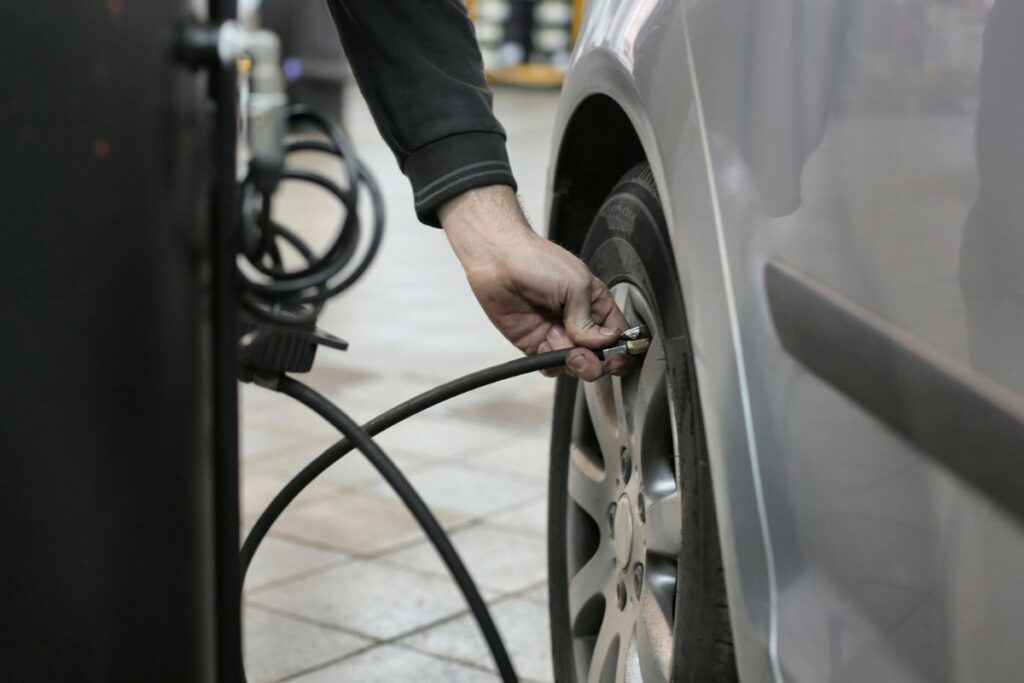
Checking tyre pressure is common advice, yet monitoring the actual tread depth and wear patterns is often overlooked. Worn tyres dramatically reduce traction and increase the risk of skidding, especially in rain or on loose surfaces. Use the “penny test” or a simple tread depth gauge to confirm your tyres are within safe limits. Also look for uneven wear, which could indicate alignment issues or suspension trouble. Addressing these issues early can save you from costly repairs and potential loss of control while driving.
Checking Your Windscreen and Visibility
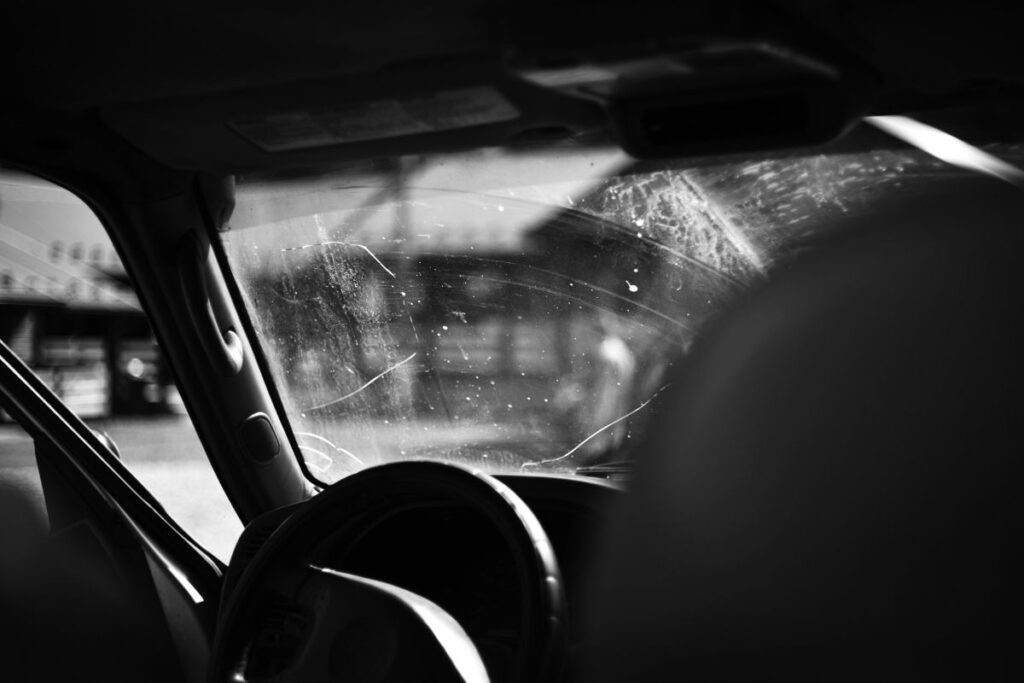
Your windscreen is your window to the world, and even small chips or cracks can impair your view or spread quickly under stress. A damaged windscreen can compromise the structural integrity of your vehicle and reduce the effectiveness of airbags in a crash. If your windscreen shows signs of damage, seek professional help early. Quick intervention can often prevent the need for a full replacement, but when it’s unavoidable, a quality windscreen replacement ensures your visibility and safety are restored efficiently.
Ensuring Wiper Blades Are Effective

Rain, sleet and dirt can all accumulate on your windscreen, and ineffective wipers can leave you struggling to see. Yet many drivers don’t consider their wiper blades until it’s too late. As a general rule, wiper blades should be replaced at least once a year, or sooner if you notice streaking or chattering across the glass. Regularly topping up your washer fluid and using a proper cleaning solution as part of your safety checks also keeps visibility sharp and reduces wear.
Testing Your Brakes Beyond the Basics
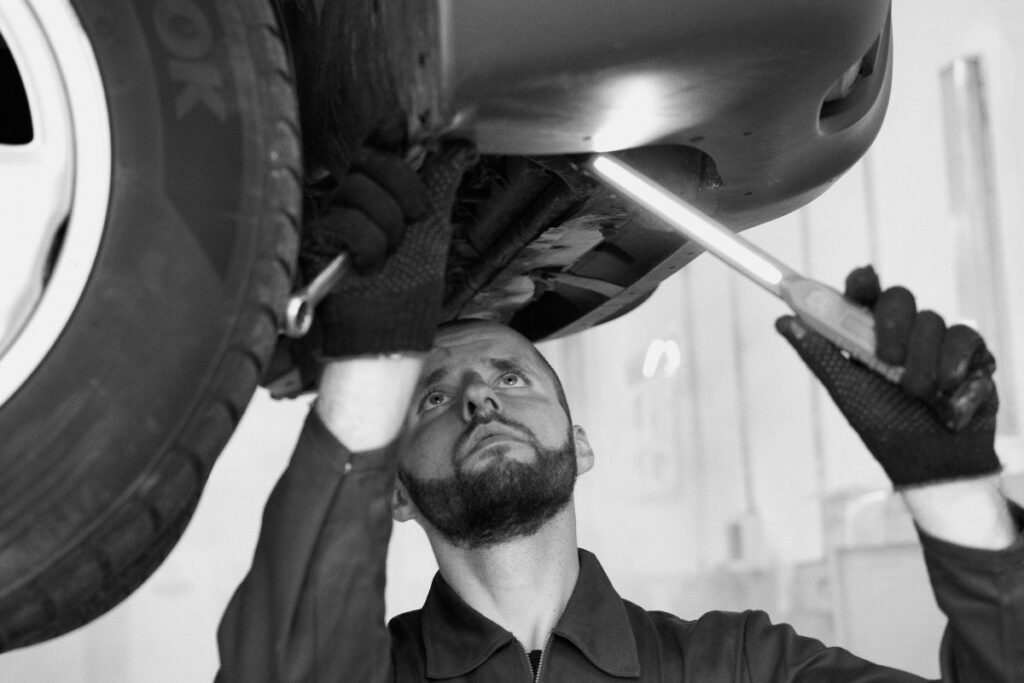
You might be familiar with listening for squeaks or feeling for vibration when braking, but there’s more to brake safety. Check brake fluid levels and look for signs of leakage around the wheels. Brake pads and rotors wear down over time, and waiting until you hear noise can mean you’re already dangerously low on stopping power. Have your brakes inspected as part of a routine service to ensure they’re performing optimally.
Don’t Overlook Your Battery Health
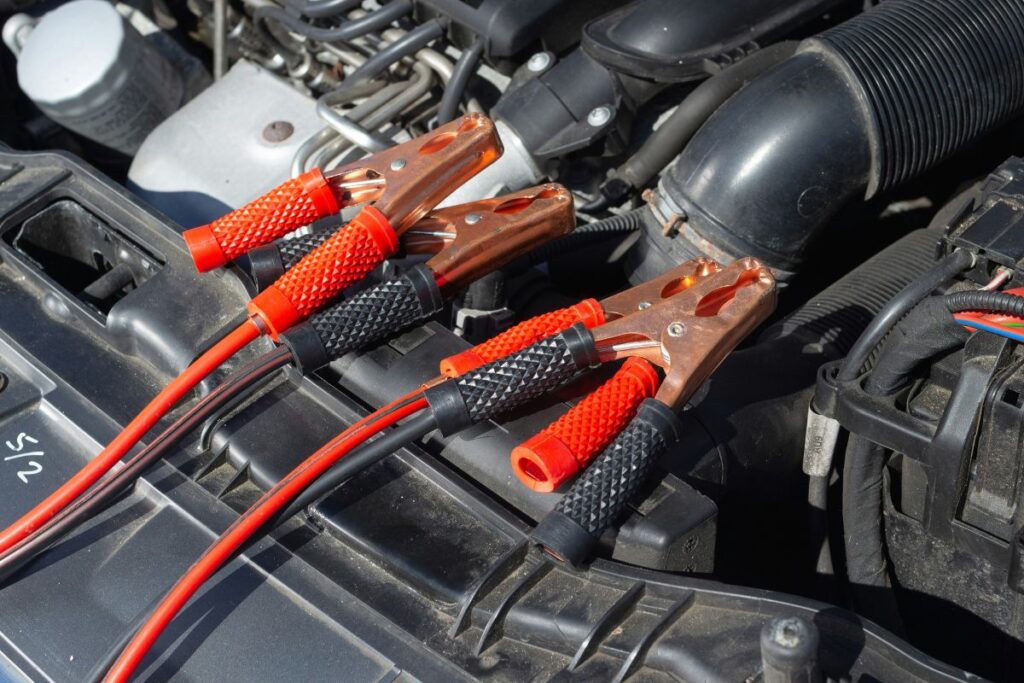
A sudden dead battery can leave you stranded and frustrated. Extreme temperatures, short trips and age all affect battery performance. Beyond just starting your car, a weak battery can strain your electrical system, affecting lights, infotainment systems and electronic safety features. Have your battery tested periodically, especially before seasonal temperature swings.
Safety First
Hidden safety checks are easy to overlook but have a huge impact on your day-to-day driving safety. From inspecting lights to assessing tyre tread, checking wiper blades to monitoring battery health, these small steps add up to a safer driving experience. Regular attention to these details not only protects you and your passengers but can also save you time and money in the long run. Stay proactive, and let safety be more than just a default setting.
Images courtesy of unsplash.com and pexels.com