For a while now, environmental considerations have come to influence the way we live our lives. While in some areas, the implications can be relatively abstract, eco-friendly curtains are often also much better products than lower-quality, environmentally ‘dirty’ alternatives.
There are a whole variety of different areas that you need to think about when it comes to eco-friendliness, from the material you go with to the types of dyes used to create colour. Below, we provide a brief guide on what to look out for when curtain shopping.
Natural fabrics
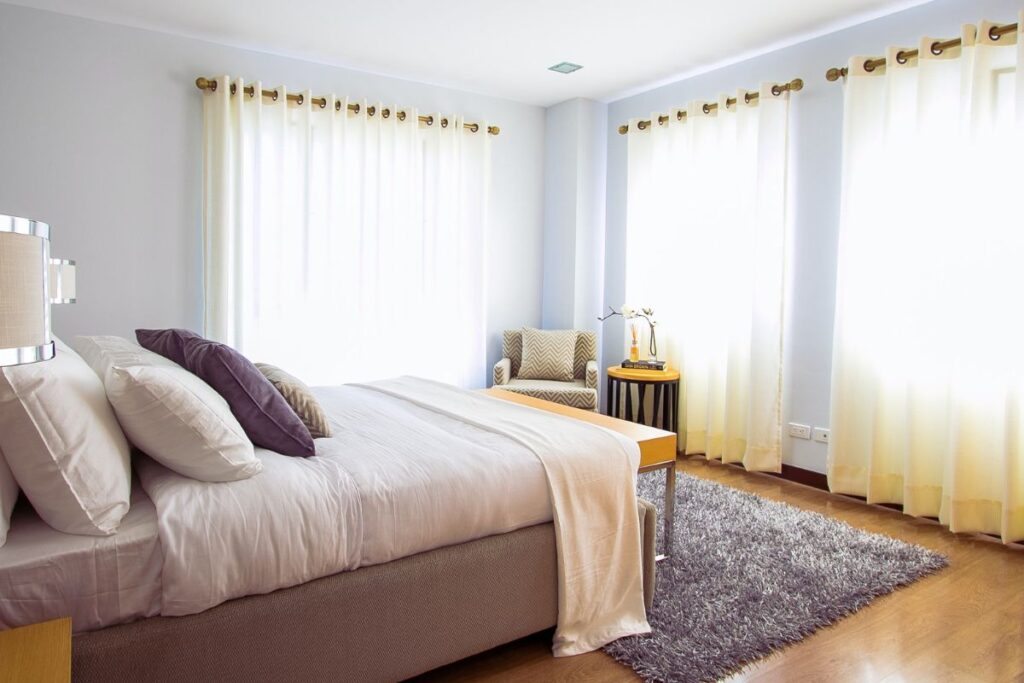
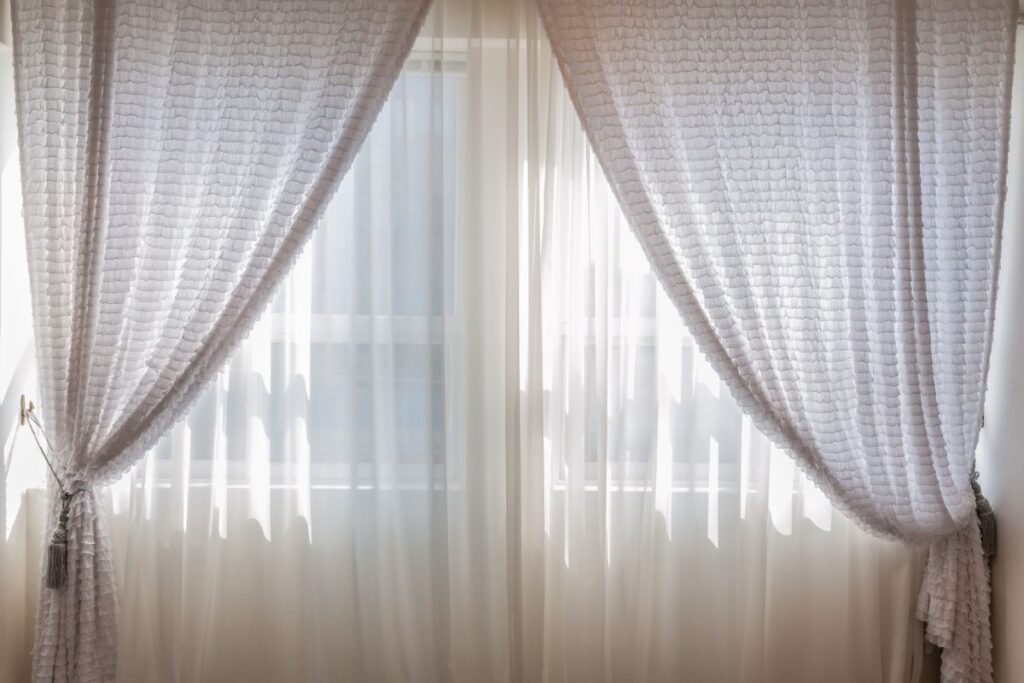
First of all, you want to look out for natural fabrics, rather than polyester options. Try to go with an organic, sustainably sourced cotton or linen curtain – it’s important that they’re sourced from sustainable farms, and grown without the assistance of environmentally destructive fertilisers or pesticides.
Cotton, linen, and bamboo-derived fabrics can all also be quite damaging to the environment, if produced in an unsustainable manner. It’s important that the option you choose is careful with water consumption and pollution – take a look at online suppliers like Woodyatt Curtains for inspiration.
Recycled materials

While natural, organic materials are a good bet, you can also find some wonderful curtain options made from recycled materials. Recycled polyester is becoming increasingly popular – it’s often made from recycled plastic bottles, helping to ensure that they don’t end up in landfill or other unsustainable waste destinations.
Recycled polyester is a great option for someone who wants the durability and easy maintenance of ‘normal’ polyester, without the negative environmental impact.
Natural dyes

In addition to the material itself, you need to think about the kinds of dyes that are being used. In the textiles industry, the dying process is often the most damaging – lots of dyes have heaps of toxic chemicals in them, and the runoff will often go straight into rivers and the local environment.
Try to look for curtain fabrics that are made using sustainable dyes, made from natural elements with a focus on eradicating toxic chemicals in the manufacturing process. Not only will they be better for the environment, but these options will often be nicer to have in your home as well.
Insulating qualities

Finally, in addition to the product itself, it’s useful to think about how certain curtains can help you to create a more eco-friendly home in the long run. By opting for curtains that are lined with a thermally insulating fabric, you can help to ensure that your house stays warm in the winter and cool in the summer.
Not only does this help to create an optimised home environment, but it also helps to limit the amount of gas or electricity you use for heating and cooling purposes, bringing down your carbon footprint over time while helping you to save money.
These simple points are the main things that you need to think about when trying to find an eco-friendly curtain option. Curtain manufacturers that are eco-friendly in their practices will likely be proud of taking that approach – it should be somewhere prominent on their website, meaning your pre-purchase research shouldn’t be too difficult at all.
Images courtesy of unsplash.com and pexels.com