
Poor drainage in a garden is never good. It can lead to standing water that damages your foundation, causes soil erosion, and attracts pests. All of these issues can be expensive to fix.
So, you’ll want to know the steps to improve drainage in your garden. The sooner you get started, the sooner your property will be protected from water damage. Here’s what you should do!
1. Aerate Your Garden
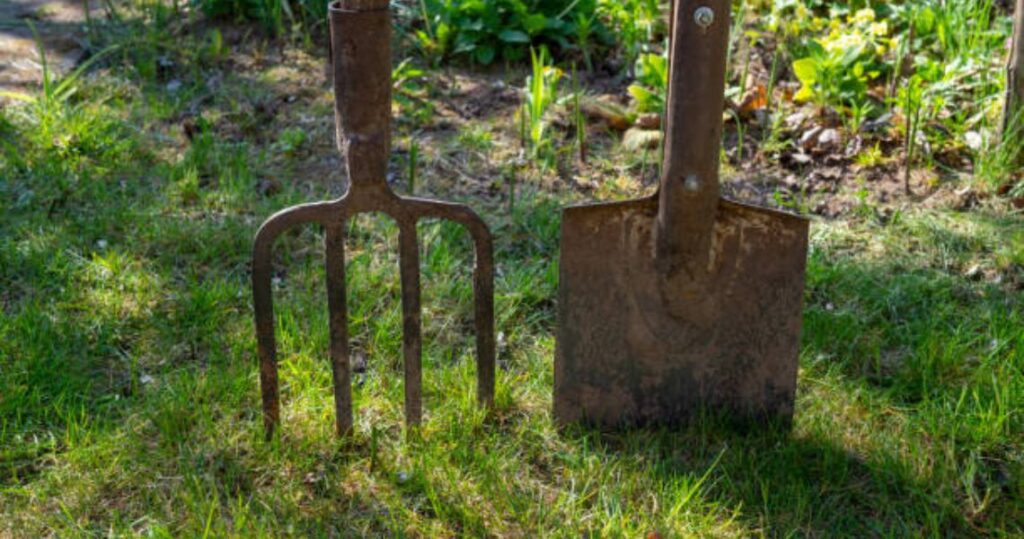
One of the first things you can try is aerating your garden. This process is best for compacted or clay-rich soil. Aerating can help de-compact the ground, allowing water to move through it better and increasing your garden’s drainage.
There are two main types of aerators: spike and core aerators. Core aerators are better for long-term solutions, but spike aerators are suitable for quick fixes.
Start by running the aerator over the lawn vertically, then go over it again horizontally. Doing so is the best method for improving drainage.
You’ll also want to ensure you do this during the early spring or autumn to help prevent damage to your grass. Lastly, you only need to do this every two years if your garden is compacted. For most lawns, you should aerate them less often.
2. Water Less Frequently
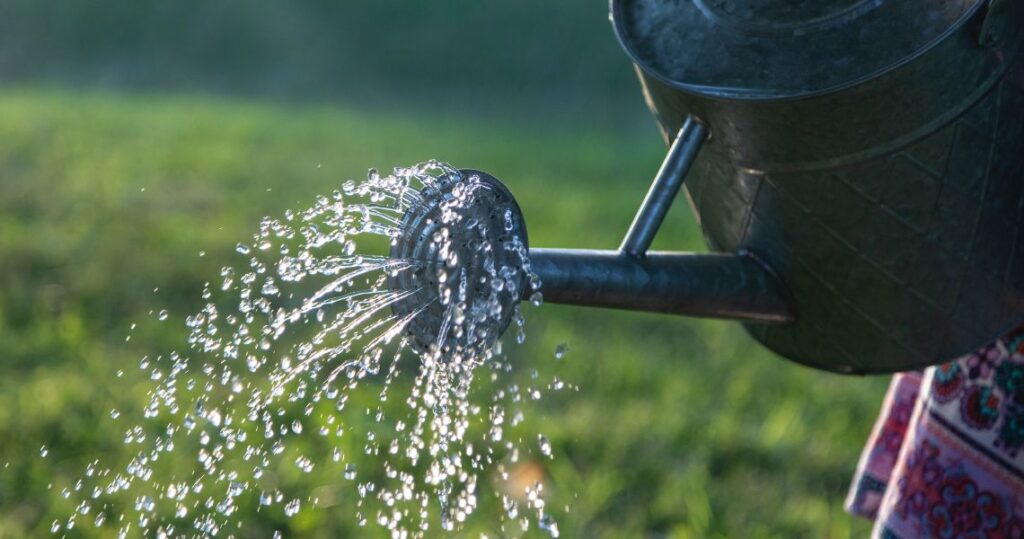
If you have a garden and water it frequently, you may want to cut back a bit. Overwatering your garden can cause water to build up and remain trapped under the surface. When it rains, there’s no room for the new water to enter the ground.
That said, this fix is rare. You can skip this step if you don’t water your property.
3. Fill Trouble Spots
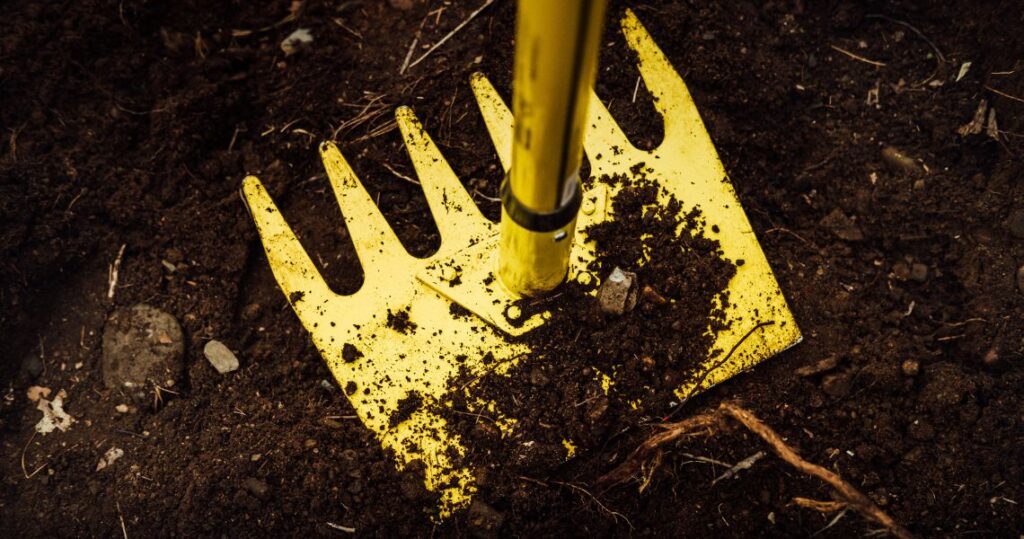
Next, you can fill in spots that give you trouble. If you notice that certain areas fill with water after a storm, you can add more soil to those dips.
Doing so will help prevent water from gathering there during the next rain. All you need to do is sprinkle topsoil over the spot until it’s full, then run a rake over it.
You can also add more soil around your house if there isn’t a slope away from its foundation. You don’t want water to gather there, so this is essential. When placing soil, make sure it doesn’t touch your house.
4. Add a Quality Drainage System
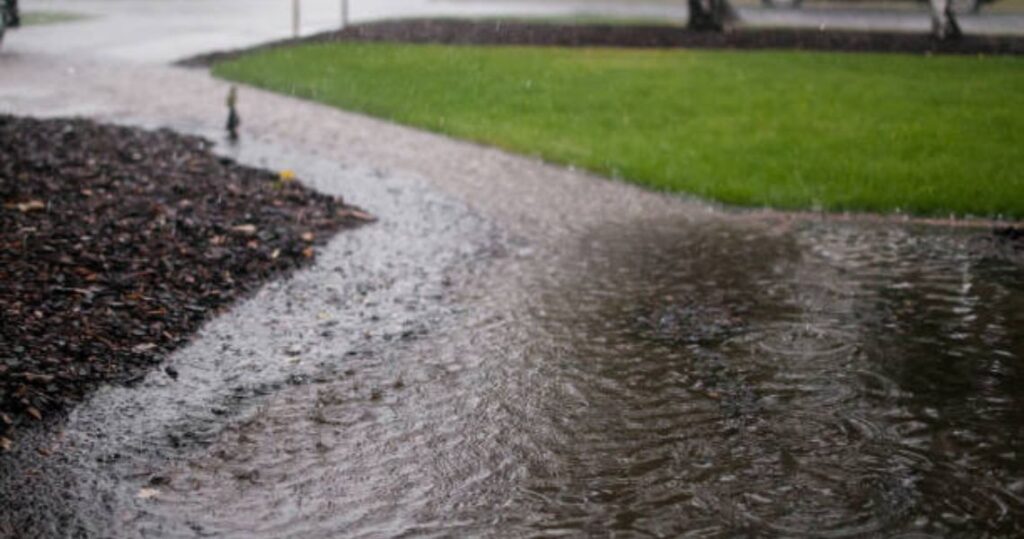
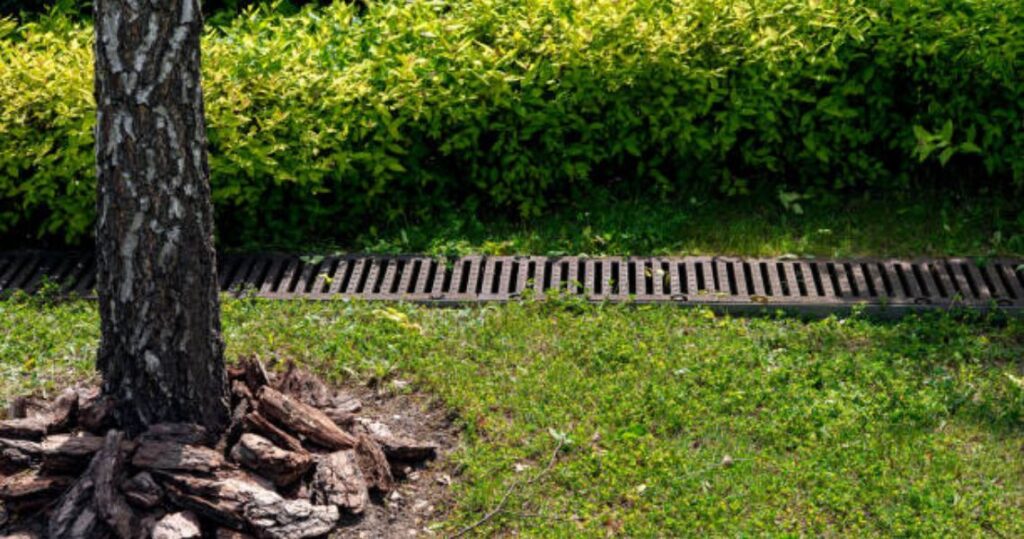
Adding a drainage system, like a trench drain system, to your property can help you move a ton of water at once. These drains take excessive water and transport it somewhere it won’t cause trouble for anyone.
You can place them in areas that tend to pool water, including:
- On walkways
- Near pools, ponds, or other sources of water
- Driveways
- Patios
Areas with a lot of concrete don’t absorb water well, leading to poor drainage. You’ll want to monitor these areas and consider whether they could benefit from a trench drain.
Investing in efficient smart drain UK solutions can significantly reduce water buildup in these spots, making your property more manageable after heavy rain. You should also consult a professional to ensure the system is correctly installed and suited to your landscape.
Overall, installing a reliable trench drain system will do wonders for the drainage on your property.
5. Remove Rocks
Sometimes, large rocks can get in the way of water, causing it to run off and gather. You should remove stones that block natural drainage during rain. Look for rocks that get in the way of water’s natural paths off of your property and put them somewhere else.
You may want to check for large rocks underground too. They can block a lot of water, and you may need a professional team to dig them out.
6. Check Your Downspout
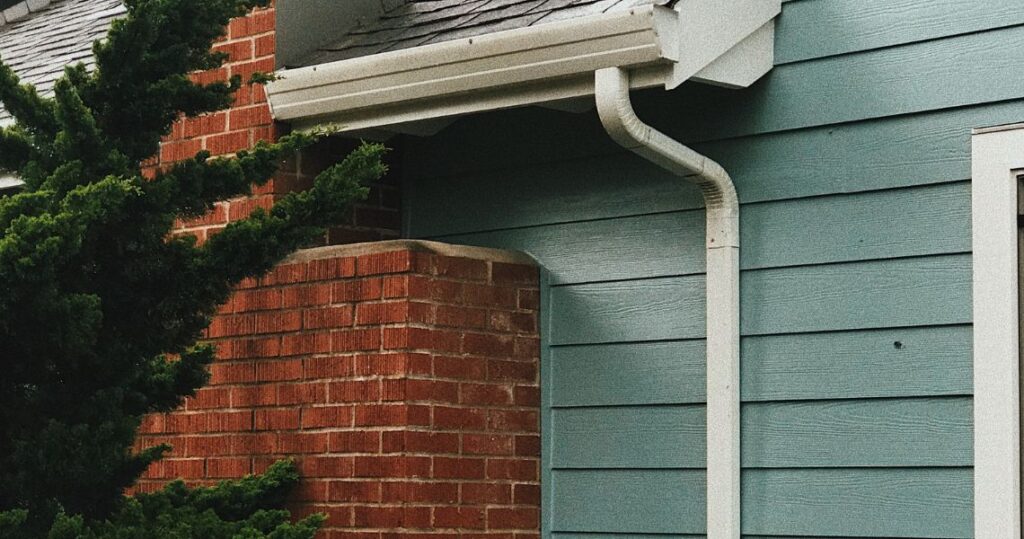

The downspout on your gutters could also be causing you problems when it rains instead of doing its job and removing water. You’ll want to extend the downspout further away from your home so the water doesn’t run back toward the foundation.
Next, make sure to have your gutters inspected. You want to know they’re working properly and not dumping water back into your yard. It would also be a great idea to have them cleaned while you’re at it.
7. Consider Adding a Creek Bed
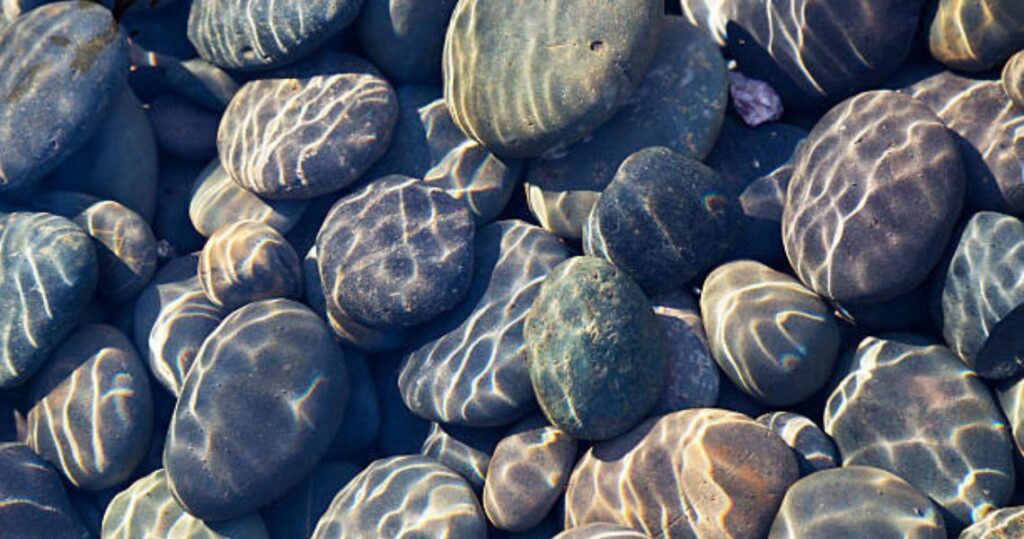
If you enjoy landscaping, you can also add a creek bed to your garden. This step works well for redirecting water away from your home, and you can control where it goes.
Start by watching where water wants to flow in your garden. Then, mark out where you want the water to go. You’ll need to redirect it into a drain, rain garden, or somewhere else it won’t harm you or your neighbour’s property.
Then you can follow these steps:
- Dig out the soil’s top layer where you marked.
- Create a gradual downward slope where you want the water to travel.
- Apply landscape fabric to the creek bed.
- Fill it in with rocks.
- Test the creek bed with a hose. You don’t want the water to stop anywhere.
Once you’ve set up your creek bed, you can add plants around it to make it look more natural. Water-loving plants will also help you add more drainage.
8. Add Compost Every Year
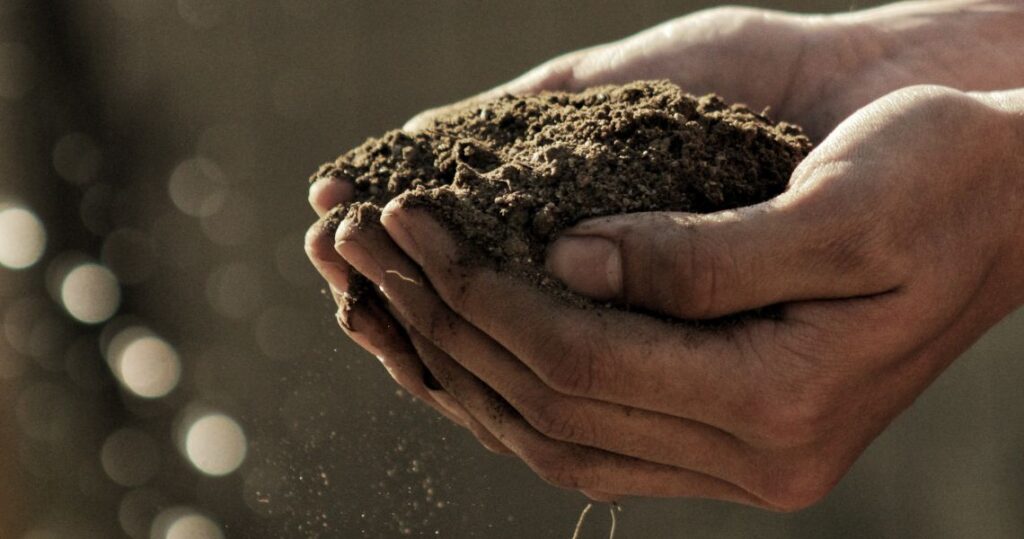
Adding about an inch of compost to your garden every year will drastically help to improve drainage. It gives the soil a much better structure, aerates it, and allows it to drain more efficiently.
You want to apply the compost lightly to avoid smothering your grass. Start by spreading it out with a shovel, then rake it into the soil. You can do the same with any garden to improve drainage and keep your plants healthy and happy.
It’s best to do this right after aerating your lawn. Your grass can better absorb nutrients, and the compost will make it deeper into the earth. Lastly, water the compost in your yard for the best results.
Work On Drainage ASAP
You don’t want to wait to improve your garden’s drainage. The longer you do, the more damage that water can cause. These fixes can be very expensive, so it’s better to work on adding more drainage as soon as you notice problems.
A drainage system would be your best bet for a fast, efficient fix. However, add a creek bed, lengthen the downspout, and aerate your garden as well for great results.
Images courtesy of unsplash.com and pexels.com