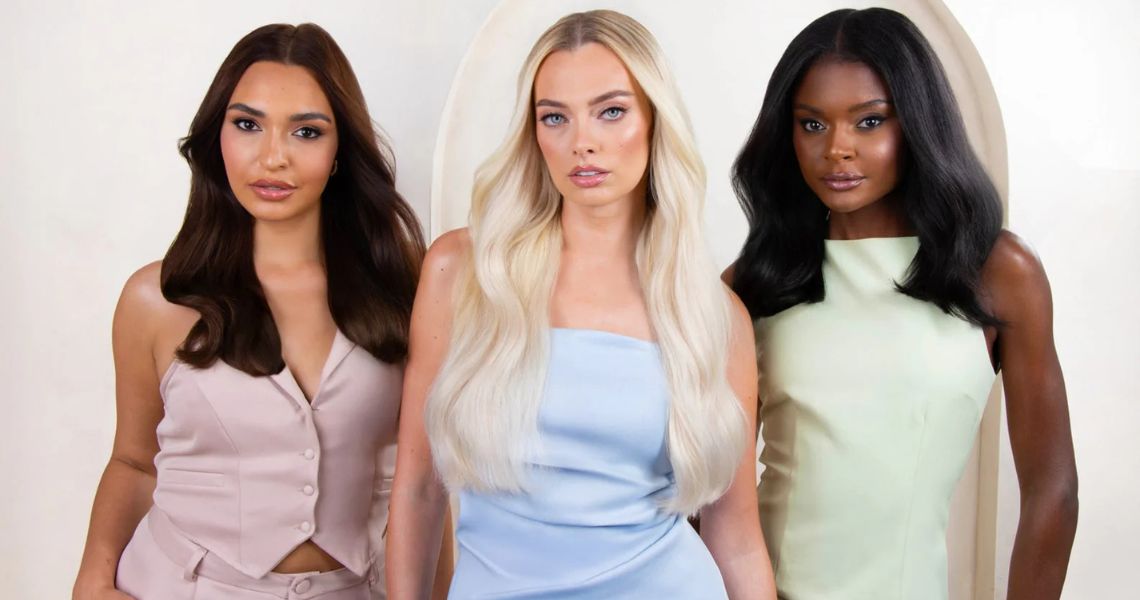
This autumn, the slicked back bun has taken the red carpets, runways, and urban catwalks by storm. Spotted on everyone from Rosie Huntington-Whiteley to Dua Lipa, this ultra-polished, “glass hair” bun is a dominant “clean girl” aesthetic, representing the perfect blend of sophistication and edge.
One of the best things about this look, though, is that you don’t need waist-length hair to nail it. In this guide, then, we will be exploring the sheer versatility of the slicked back bun, and the steps you can take to create and perfect this chic aesthetic at home.
Why the Slick Back Bun Owns Autumn
Let’s get the obvious out of the way first: as the weather turns colder and wetter, a slick back bun can make practical sense in autumnal conditions. This high-shine, pulled-back style can save you from frizz or flyaways, and keep hair neatly in place and protected from the elements.

It also helps, though, that the polished aesthetic of the slick back bun doesn’t compete with chunky scarves or high necklines. This look serves as a refreshingly minimalist counterpoint to the texture and layering that tends to characterise autumn fashion.
Essential Products for Glass Hair Effect
Before we take you through the individual steps of how to “do” a slick back bun, we will have to introduce you to the necessary items for achieving this sought-after wet-look shine:
- Strong-hold gel for a lasting, sleek finish
- A fine-tooth comb for precision styling and removing any bumps
- A boar bristle brush for smoothing hair and distributing product evenly
- Strong, snag-free hair ties for securing the base
- Hairspray for sealing the deal and tackling flyaways
- Shine serum or spray for that “glass-like” finish
- Clips or pins to hold sections while you style or secure the bun.
Preparing Your Hair


When you wish to begin creating a slicked back bun, it will be best if your hair hasn’t been freshly washed. Hair that has gone a day or two without washing contains natural oils that will aid the styling process, in addition to providing better grip.
Start by thoroughly brushing your hair to remove all tangles. Then, dampen slightly. A light misting of water can help manage the hair and increase the products’ pliability; do, though, take care to avoid soaking your hair.
The Slicking Process
This is where the magic happens in the creation of a slick back bun – but the utmost precision will be crucial.
Step 1: Product Application
Apply a generous amount of strong-hold gel to the roots and the top section of your hair. Key to the ideal product technique here will be making sure you distribute evenly using your fingers first. This will be vital for ensuring all areas are covered.
Step 2: Brush Back Technique
This is a key element of how to do a slick back bun. Reach for the boar bristle brush and begin brushing your hair back to where you want your bun to be positioned.
For the front and sides, use the fine-tooth comb to achieve maximum sleekness. The elimination of bumps should be a major focus.
Step 3: Secure the Base
By this point, your hair should be perfectly smooth and free of bumps. This will be your cue to move to the next stage of creating a slicked back bun: using a strong hair tie to secure your hair into a sleek ponytail. You should be aiming for it to be tight enough to hold, but comfortable.
Adding Ponytail Extensions for Fuller Buns

If you desire greater volume, thickness, or length, ponytail extensions can be a game-changer. Fortunately, they’re also easy to incorporate into this hairstyle.
Presuming you do decide in favour of ponytail extensions, you will need to ensure the right match. Both clip-in and wrap-around extensions can work well, but you should be seeking a hair piece that matches your natural colour and texture.
Creating the Perfect Bun Shape
Now that you have a full and sleek ponytail – potentially enhanced with extensions – it will be time to form the bun.
- A popular twisting technique for a slick back bun is the classic twist. This involves twisting the ponytail securely and wrapping it around the base to create a classic bun shape.
- Alternatively, you might consider a coiled bun. This provides a softer look and is achieved by loosely coiling the ponytail and pinning in place.
- A knotted bun gives an edgier vibe. To create this, tie a simple knot with the hair and secure.
Use bobby pins to secure the bun firmly, tucking the ends away to ensure a clean finish.
Finishing Touches for Perfection

These finishing touches will be key for realising the “glass hair” effect and longevity.
- Secure everything in place by grabbing some strong-hold hairspray and misting it generously over the entire head and bun.
- Achieve that mirror-like shine by applying a light mist of shine spray or a drop of serum to your palms, followed by gently smoothing over the top and sides of your hair.
Variations on the Classic
Once you’ve mastered the classic slicked back bun, it could be time to try out some variations.
One popular option is the elegant low slicked bun, whereby the bun is positioned right at the nape. For a more dramatic look, meanwhile, you might consider a high ballerina bun.
Maintaining Throughout the Day
It can be worth carrying a small gel stick or a travel hairspray with you, to tame humidity and keep the edges of your slick back bun neat. If rain threatens, a lightweight scarf can protect the style without crushing it.
Conclusion
The slicked back bun enjoys a more-or-less unquestioned status as the most chic and adaptable hairstyle this autumn.
With the right products, a steady brush technique, and plenty of practice, you can go beyond simply learning how to do a slick back bun. That’s because you can master this up-to-the-minute trend and give your self-confidence an invaluable uplift along the way.
Images courtesy of unsplash.com and pexels.com.