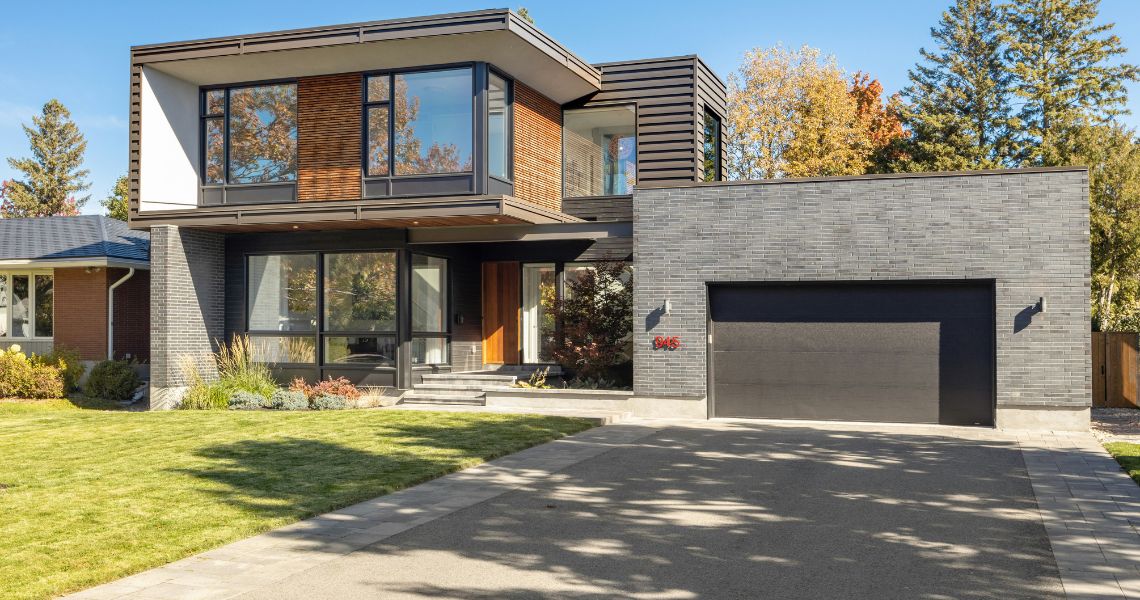
Imagine a home where sunlight reaches every corner, making the space feel inviting and comfortable. Achieving a bright and open atmosphere requires more than pulling back curtains or using light-coloured walls. Well-thought-out design choices can turn any room into a bright retreat. By learning how light interacts with space and applying practical design strategies, you can create a home that feels brighter and more welcoming.
Increasing natural light not only boosts the mood of those who live in the space, it creates an inviting atmosphere and also leaves a positive impression on visitors. This guide offers practical tips, innovative features, and easy ideas to help you brighten your home effectively.
Using Smart Design to Maximise Natural Light
Natural light is a valuable resource that can transform the ambience of any room. To fully harness its potential, focus on intelligent design solutions. Start by evaluating your home’s layout; open floor plans often allow light to flow freely, creating a spacious and cohesive atmosphere.

Larger windows and strategically placed glass doors are excellent additions to boost natural light. Sliding glass doors leading to outdoor spaces provide a smooth connection between indoors and outdoors while allowing abundant sunlight to enter. Transom windows above doors or high clerestory windows are also effective for letting light in without sacrificing privacy.
Incorporating reflective elements in your décor can further enhance brightness. Mirrors are particularly effective at bouncing light around, making rooms appear larger and more illuminated. Placing a mirror opposite a window can nearly double the natural light in a room. Similarly, glossy finishes on surfaces, such as high-gloss paint, can elevate the overall brightness and enhance the room’s openness.

One particularly effective way to introduce more natural light into your home is by installing roof lanterns. These elegant structures not only serve as a stunning focal point but also channel sunlight down into your living areas, creating a warm and inviting atmosphere throughout the day. Their versatility allows them to complement various architectural styles, making them an ideal choice for any home. Whether you have a contemporary or traditional design, roof lanterns can enhance the visual appeal of your home while providing ample natural light.
Selecting Colours to Enhance Natural Light
The colour palette in your home plays a vital role in how light is perceived. Light shades, such as whites and pastels, reflect more light, making rooms appear brighter and more open with a more inviting atmosphere. In contrast, darker colours tend to absorb light, which can make spaces feel smaller and less welcoming.

Choose colours based on the mood you want to create. Soft blues and greens evoke calmness, while yellows and creams can add warmth and cheer. Neutral tones like light grey or beige are versatile and pair well with vibrant accents without dominating the space. Using accent walls or décor in darker tones can add depth and interest without compromising the room’s brightness.
Flooring choices also affect how light interacts with a space. Light-toned wood, tiles, or carpets can help reflect light and keep the room bright. Avoid dark or heavy carpets, as they absorb light and can make a space feel confined. If you prefer rugs, look for lighter colours or patterns that include white or pastel elements to maintain an airy and inviting feel.
Incorporating Thoughtful Lighting Solutions
Artificial lighting is vital for keeping your home welcoming after sunset. Combining different types of lighting creates balance and functionality. Use ambient lighting for general illumination and supplement it with task lighting for activities like reading or cooking.
Decorative options, such as pendant lights or wall sconces, blend style with function. A chandelier can add elegance to a dining area while providing ample light. Pendant lights above kitchen islands or dining tables double as focal points and effective work lighting.

Dimmers enhance flexibility, letting you adjust the brightness to suit various times or moods. Warm, soft lighting is more inviting than harsh fluorescents LED bulbs with warm colour temperatures create a calming effect similar to natural light.
LED strips or spotlights can accentuate architectural features or art pieces, adding depth and character to your home. Accent lighting can also highlight bookshelves, artwork, or plants, enriching the overall atmosphere.
Smart lighting systems offer modern convenience, enabling adjustments to the intensity and colour temperature throughout the day. These systems create dynamic lighting tailored to your activities, boosting both comfort and functionality.
Enhancing Your Home with Well-Placed Plants
Integrating plants into your living space adds a touch of nature, improving air quality and creating a fresh, inviting atmosphere. Thoughtful placement and selection of plants can make a significant difference, offering both aesthetic and wellness benefits.
Choose plants suited to your home’s conditions. For areas with low light, hardy options like snake plants or pothos are ideal, as they require minimal upkeep. In well-lit spaces, flowering plants or leafy greens can make a striking visual impact.

Grouping plants in clusters creates an eye-catching focal point. Use pots of varying sizes and designs to add character, and arrange plants at different heights for added depth. Tall plants, such as fiddle leaf figs, work well to fill empty corners while trailing varieties like a string of hearts add charm when draped over shelves or hanging baskets.
Hanging plants are a practical way to utilise vertical space, drawing the eye upward and giving rooms a sense of openness. Macramé hangers or decorative planters can elevate the appeal of hanging plants, making them a stylish addition, especially where floor space is limited.
Using Textiles to Elevate Atmosphere
Textiles are a key element of home décor, significantly shaping the mood and feel of your space. Thoughtfully chosen fabrics for curtains, cushions, and rugs can add texture and warmth, enhancing the overall brightness and comfort of your home.
Sheer curtains are ideal for letting in natural light while maintaining privacy. Light fabrics like linen add an airy quality, especially when paired with neutral colours. Layering curtains offers a softer aesthetic and flexibility to control light levels, making the space adaptable to different needs.

Layering other textiles, such as plush throws and textured cushions, creates a cosy and inviting environment. Combining textures like knits, velvets, and cotton adds depth and visual interest. This approach enhances the tactile appeal of the room, encouraging interaction and comfort.
When choosing textiles, consider their colours and patterns. Subtle designs in light, airy fabrics keep the room feeling fresh, while bold prints can inject personality and vibrancy. Ensure that the textiles complement existing furnishings and colour schemes for a cohesive look.
Rugs are another essential feature of interior design. They anchor a space and tie its elements together. Light-toned rugs can brighten the floor area, while natural fibres like jute or sisal provide an earthy touch without overpowering the décor. These choices contribute to a balanced and harmonious environment.
Maximising Small Spaces for Brightness
Small spaces can feel cramped, but with the right strategies, they can become bright and welcoming. Keep furniture arrangements open and uncluttered. Avoid bulky pieces that dominate the room, and choose multifunctional furniture to save space.
Use lighter colours for furniture and décor to reflect light and create an illusion of spaciousness. Glass elements, such as coffee tables or shelves, enhance openness and keep the area feeling airy.

Mirrors are a powerful tool for small spaces. Positioning a mirror opposite a window amplifies light and gives the illusion of depth, making the room feel larger.
For storage, wall-mounted shelves are a smart alternative to bulky bookcases. They free up floor space and add vertical interest. Keep décor minimal to prevent a cluttered appearance fewer, carefully chosen items can make a greater impact.
Opt for space-efficient lighting, such as wall sconces or slim floor lamps. These fixtures provide ample illumination without occupying valuable room, enhancing both functionality and style.
The Influence of Layout on Light Distribution
The layout of your home greatly influences how light flows through each space. Furniture placement is key. Avoid obstructing windows with tall or bulky furniture. Position larger pieces along walls or in spots that do not block natural light.

In open floor plans, defining zones can improve functionality while preserving brightness. Use rugs to distinguish areas, like living and dining spaces, and arrange furniture to maintain an open flow, encouraging light to spread evenly.
For multi-story homes, staircase design can impact light distribution. Open staircases allow light to reach deeper areas, while glass railings enhance this effect, promoting a seamless connection between levels and ensuring light travels freely.
Hallways and transition spaces are often darker but can be brightened with lighter wall colours and well-placed lighting to create a more inviting atmosphere. Adding skylights or windows to these areas can transform them from dim passages into inviting, well-lit connections between rooms.
A well-optimised layout not only improves light distribution but also fosters a balanced and cohesive living space. Consider how each room interacts with adjacent areas and how to maximise light flow throughout your home.
Benefits of Adjusting Decor Seasonally
Changing your décor with the seasons can refresh your space and adapt it to varying natural light conditions, ensuring your home stays inviting year-round.

In winter, incorporate warm, cosy elements. Use heavier fabrics like wool for throws and curtains, and add rugs to create a snug environment. Opt for warm lighting instead of harsh fluorescents to soften the atmosphere and maintain a comfortable glow.
For summer, switch to lighter fabrics and brighter colours. Replace heavy curtains with sheer ones, and choose cushion covers with cheerful patterns. Fresh flowers or greenery can bring vitality and a refreshing summer feel to your home.
Seasonal décor changes not only keep your space feeling updated but also allow you to harmonise with changing light conditions. This practice adds a personal and dynamic touch to your home, and creates an inviting atmosphere, ensuring it remains comfortable and engaging throughout the year.
Images courtesy of unsplash.com and pexels.com