Cannabis is part of British life in a way most people will not admit at dinner but quietly recognise in social media chatter, political debates and news headlines. Even though recreational cannabis remains illegal in the UK, around 6.8 percent of adults aged 16 to 59 reported using it in the past year, roughly 2.3 million people, according to the most recent UK government survey. That makes cannabis by far the most commonly used controlled substance in Britain.
You probably know someone who used it at uni, or heard mates talk about it at a party or festival, but was it mindful consumption. In fact, almost one in four UK adults says they have tried cannabis at some point in their lives.
Those numbers are big enough that attitudes are shifting from secretive to social to questioning what “responsible use” even means. Younger generations especially lean progressive on cannabis. Around 63 percent of people in Gen Z support legal sales of cannabis under licensed conditions in the UK, showing this issue is not going away.
What’s fascinating now is how the conversation is evolving beyond illegality into culture, etiquette and wellbeing. Many users are exploring cleaner and more controlled ways to consume cannabis, with dry herb vaporizers emerging as a popular choice. These devices allow for a more mindful experience, producing vapour rather than smoke, which aligns with a shift toward intentional and respectful consumption. That’s where mindful consumption comes in.
In this article, we’re going to explore what mindful consumption really means in the UK context. We’ll look at the evolving culture around cannabis, how people are approaching etiquette and social boundaries, the role of modern consumption methods like vaporizers, and why responsible use matters for personal well-being and broader society. By the end, you’ll understand not just the practical side of consumption, but also the cultural and ethical mindset behind today’s cannabis trends.
What Mindful Consumption Really Is

Mindful cannabis consumption means thinking about why you are using cannabis, where you are, how it might affect you and others, and what your goals are for that experience. It is not about glamorising use or pretending cannabis is harmless. It is about awareness, intention and context.
In the UK, that matters because cannabis carries both legal risk and health impact. Regular, heavy use is associated with increased risk of anxiety and depression, and about one in ten long‑term consumers report psychosis‑related symptoms.
At the same time, millions of people are having honest discussions about how cannabis fits into their lives. A study estimated nearly 1.8 million UK adults use illicit cannabis to self‑treat health issues like chronic pain or anxiety.
Despite medical cannabis being legal under prescription since 2018, many still rely on existing social channels for access, which highlights both demand and confusion around legal pathways.
Social and Legal Context
Cannabis is still classified as a Class B drug under the UK Misuse of Drugs Act. While the laws are clear, enforcement varies widely depending on region and circumstance. In many urban areas, officers are increasingly using community resolutions or warnings rather than pursuing formal prosecution for minor possession cases. This approach reflects a broader shift in how society is approaching cannabis, moving toward practical solutions instead of purely punitive measures.
Public debate around cannabis is growing. Political figures, including the mayor of London, have voiced support for decriminalising personal use to reduce criminal justice harms while keeping supply and commercialisation regulated. These debates highlight the tension between recreational illegality and the controlled legal frameworks already in place for medical use.
The UK has a structured system for medical cannabis, which allows patients with qualifying conditions to access prescribed products under strict regulations. These rules define who can legally receive medical cannabis, what types of prescriptions are available, and how licensed providers must operate. Understanding this pathway provides crucial insight into why policymakers and advocates are reconsidering recreational laws. Our own HN Magazine guide to the UK’s medical cannabis regulations breaks down these regulations, highlights recent changes, and explains how medical cannabis fits into the broader conversation on responsible and legal use.
Medical access also offers a perspective on the cultural shift toward mindful consumption. Many people now consider not only the legality of cannabis but also its effects on health, well-being, and social spaces. Comparing recreational restrictions with the medical framework helps readers appreciate why controlled and intentional use is encouraged and why education and awareness are so important.
The discussions around legalisation, regulation, and medical access demonstrate that cannabis in the UK is no longer a fringe issue. It intersects with law, health, culture, and policy. The medical system provides a clear example of how cannabis can be integrated safely and thoughtfully into British life. Understanding this framework informs social etiquette, public debate, and responsible consumption practices, shaping how the country approaches both recreational and medical use.
Modern Etiquette for Cannabis Use
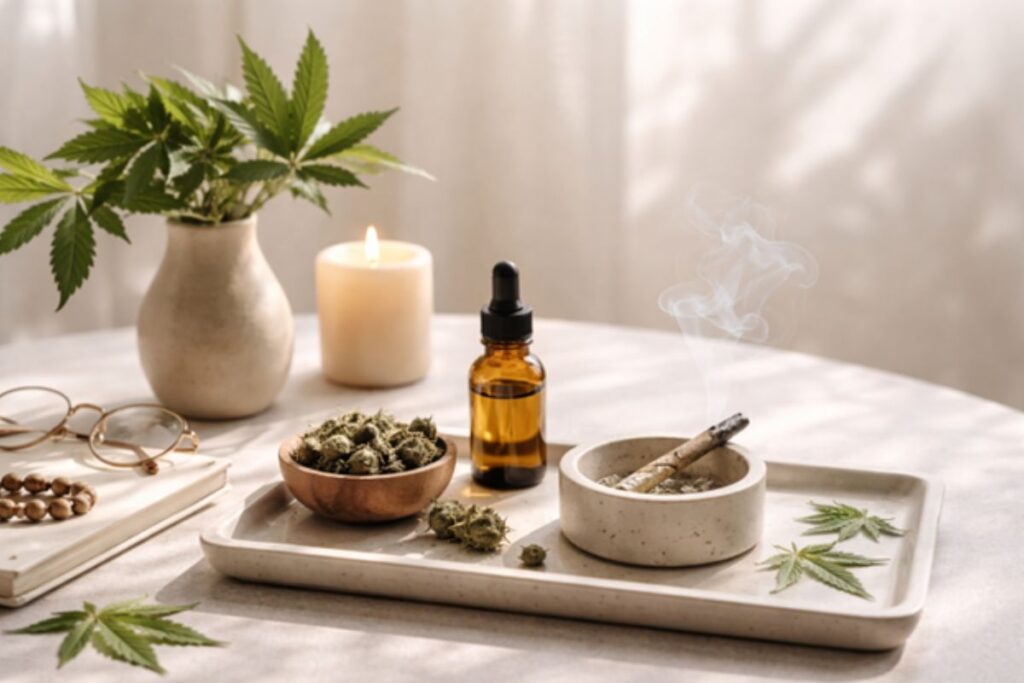
Mindful consumption culture in the UK is also about respect and awareness in social spaces. Here are some patterns emerging among thoughtful users:
• Choosing private or designated settings rather than random public places
• Being clear with friends or partners about comfort levels and boundaries
• Considering how scent, smoke or conversation around cannabis affects others
• Pairing use with activities involving creativity, food, music or meditation
These behaviours reflect how people are trying to blend cannabis use with modern lifestyle trends like wellness, intentional relaxation and social respect rather than impulsive or secretive habits. At the same time, mindful consumers are increasingly aware of the mental health implications of cannabis, including potential effects on mood, anxiety and cognition, and take steps to minimise risks. For more detailed guidance, the Royal College of Psychiatrists provides reliable information on how cannabis can affect mental wellbeing.
Looking Ahead
Cannabis culture in the UK is ripe for a renaissance in how it is talked about, understood and practised. Mindful consumption runs parallel to broader social trends like conscious drinking, balanced wellness routines and values‑driven choices.
People are not just asking if cannabis is legal or not. They are asking how to use it thoughtfully, considerately and in a way that fits their identity and relationships. Mindful consumption offers a language and framework for that shift, and it might redefine how cannabis sits in British culture for years to come.
Images supplied