
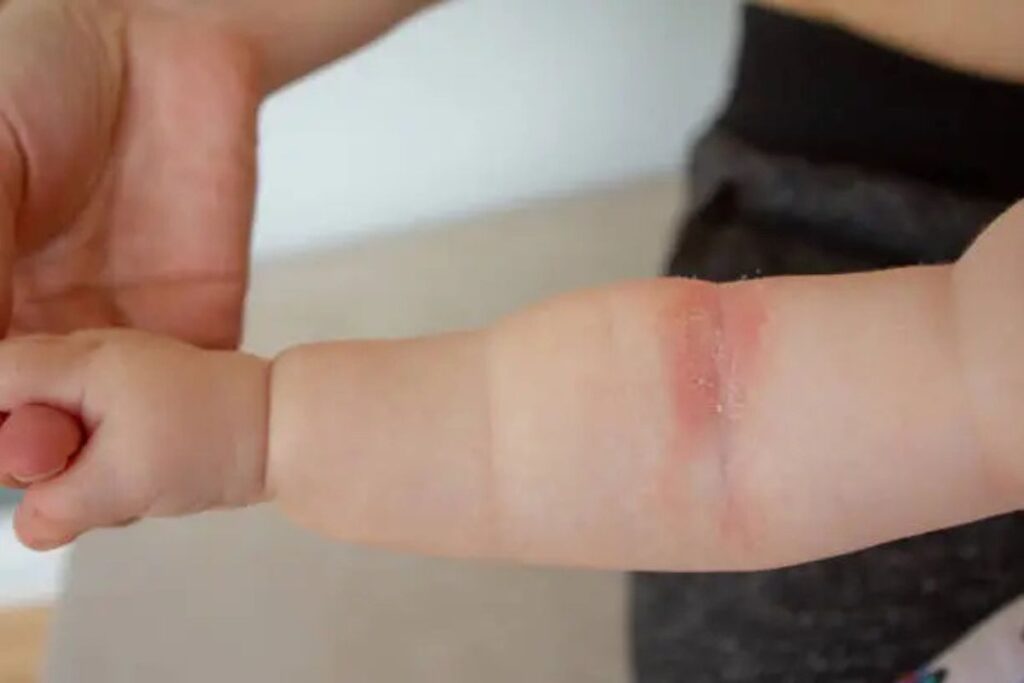
Eczema, or atopic dermatitis, is a common skin condition affecting many children. It is characterised by red, itchy, and inflamed patches that can cause discomfort and disrupt daily life. For parents, managing eczema in children can feel like a delicate balancing act: treating flare-ups effectively without aggravating the sensitive skin.
Fortunately, with the right approach, eczema-prone skin can be cared for safely and gently.
Understanding Triggers
The first step in managing eczema is understanding what triggers flare-ups. Common triggers include harsh soaps, detergents, synthetic fabrics, temperature changes, allergens, and stress. Identifying these factors early can help minimise flare-ups and reduce the severity of symptoms. Keeping a simple diary of your child’s environment, diet, and activities can reveal patterns and help pinpoint specific triggers.

Gentle Cleansing Routines
Bathing is an essential part of skin care, but it must be approached carefully for children with eczema. Use lukewarm water rather than hot, which can dry out the skin and worsen irritation. Limit baths to 5–10 minutes, and always use mild, fragrance-free cleansers instead of regular soaps. Pat the skin dry gently with a soft towel rather than rubbing, which can aggravate sensitive areas.
Moisturising Is Key
Moisturising regularly is perhaps the most crucial step in eczema care. Thick, emollient-rich creams or ointments help to lock in moisture and protect the skin barrier. Apply moisturiser immediately after bathing to trap water in the skin, and reapply multiple times throughout the day, particularly on areas prone to dryness. Some children respond well to moisturisers with added ingredients like ceramides, which help strengthen the skin barrier further.
Clothing Choices Matter
Clothing can have a significant impact on eczema-prone skin. Soft, breathable fabrics such as cotton are ideal, while rough, scratchy, or synthetic materials can irritate the skin and trigger flare-ups. For parents seeking an extra layer of protection, investing in specially designed garments is highly beneficial. HappySkin eczema clothing provides comfortable, soft garments that reduce friction and minimise irritation, offering a practical solution for daily wear.
Environmental Considerations
Creating a skin-friendly environment at home can reduce eczema triggers. Maintain moderate indoor humidity levels, avoid sudden temperature swings, and wash bedding and clothes in fragrance-free, gentle detergents. Encouraging children to avoid scratching, particularly during sleep, can be supported by keeping nails short and using cotton gloves at night if necessary.
Managing Flare-Ups
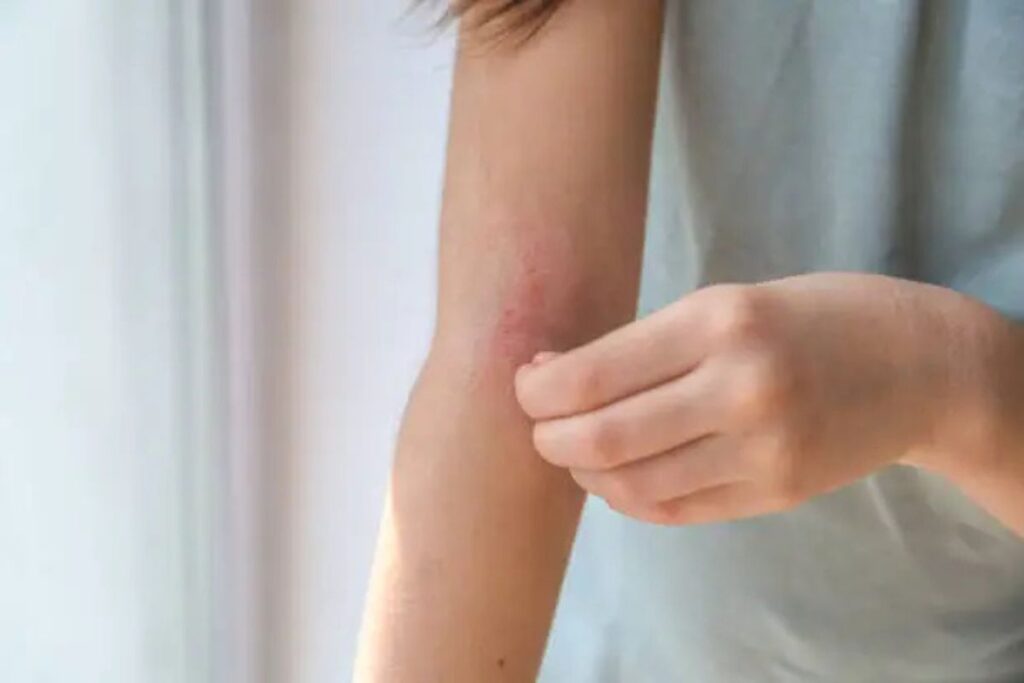
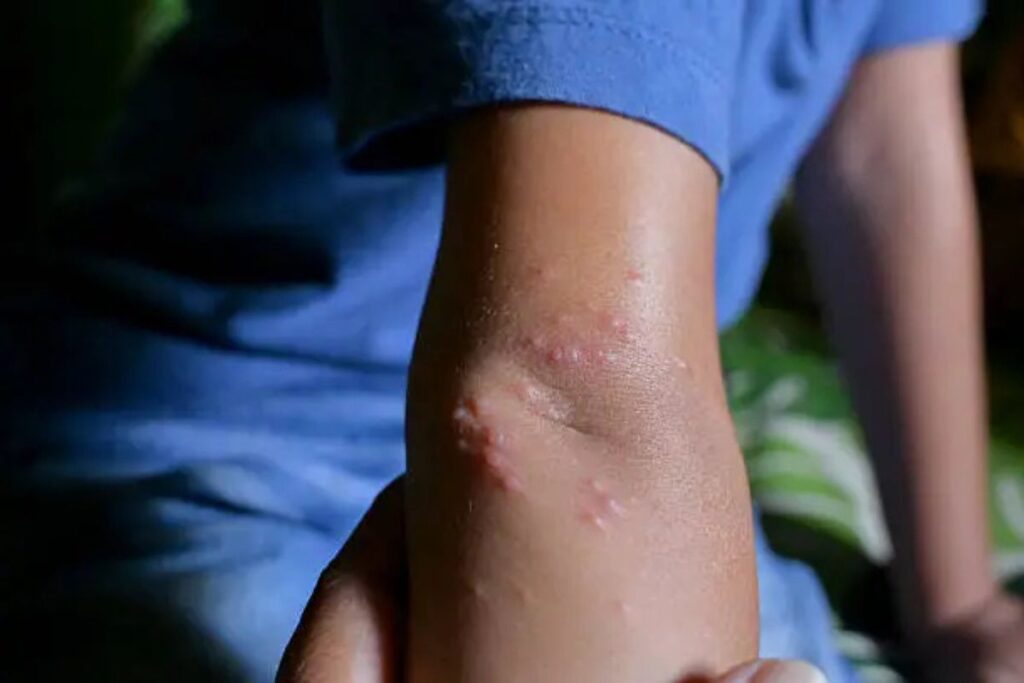
Despite careful management, flare-ups are sometimes inevitable. Mild topical treatments, prescribed by a paediatrician or dermatologist, can help control inflammation and itching. It is important to follow professional guidance and avoid overuse of steroid creams, as improper application can lead to skin thinning or other side effects.
Consistency and Patience
Caring for eczema-prone skin requires consistency and patience. Building a daily routine that includes gentle cleansing, frequent moisturising, and mindful clothing choices can make a significant difference in your child’s comfort and skin health. While eczema can be challenging, proactive care helps children feel more comfortable and reduces the frequency and severity of flare-ups.
By understanding triggers, prioritising gentle care, and choosing supportive clothing, parents can confidently manage eczema in children, keeping irritation to a minimum while supporting healthy, happy skin.
Images courtesy of unsplash.com, pexels.com and Freepix.com