Technology has reshaped how we interact with almost everything we own. Phones are replaced every few years, software updates arrive constantly, and many devices are designed with short lifespans in mind. Against that backdrop, mechanical watches stand out as an intentional contrast.
Mechanical watches are not necessary in a functional sense. Time is everywhere. Yet luxury watches continue to hold relevance because they represent permanence in a culture increasingly defined by disposability.
A different relationship with time
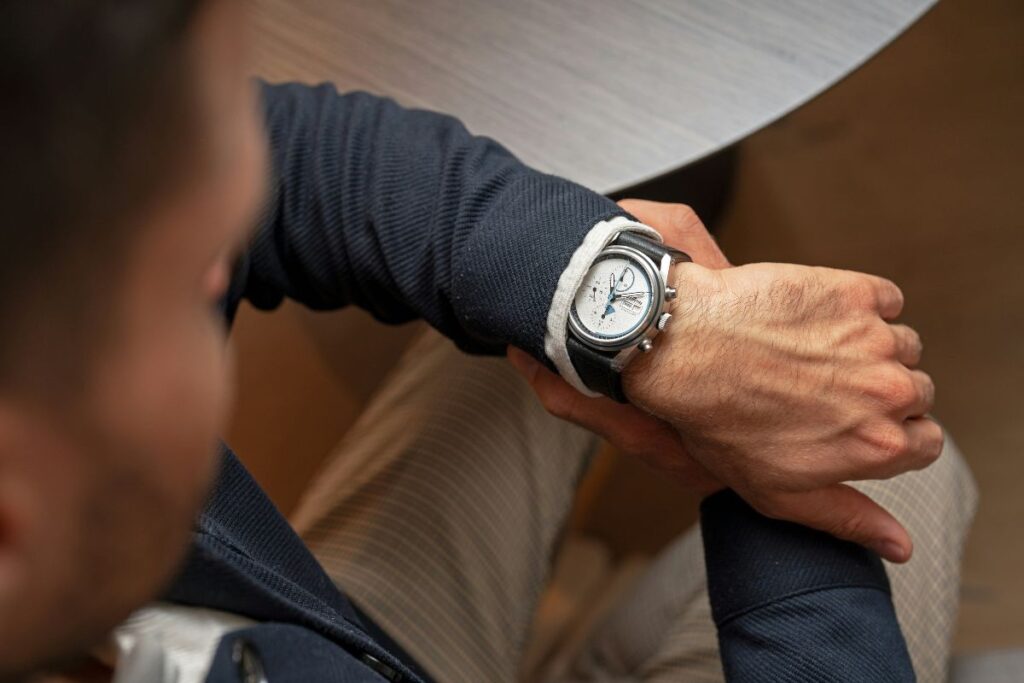
Mechanical watches operate on principles that have changed little in over a century. Gears, springs, and balance wheels work together in a system that can be understood, serviced, and preserved. This physicality is part of the appeal.
Unlike digital devices, a well-made watch does not become obsolete. With care, it can function reliably for decades, often outlasting the original owner. That longevity changes the nature of ownership. A watch is not something to be replaced, but something to be kept.
For many wearers, this creates a deeper connection. Watches become associated with daily routine, personal milestones, and long-term memory in a way few accessories achieve.
Design that resists trends
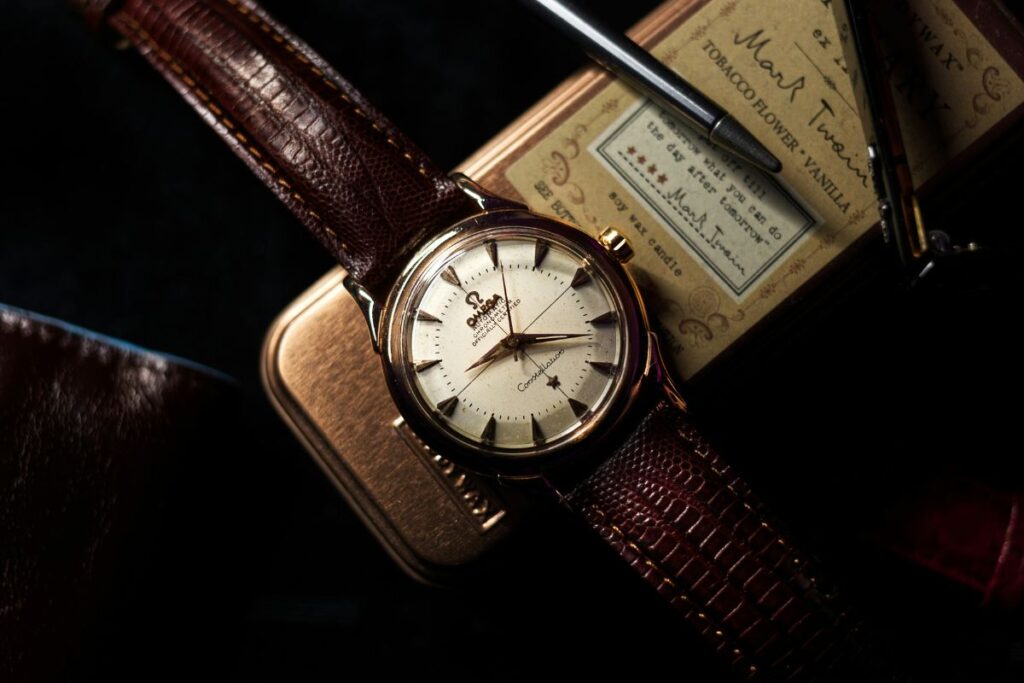
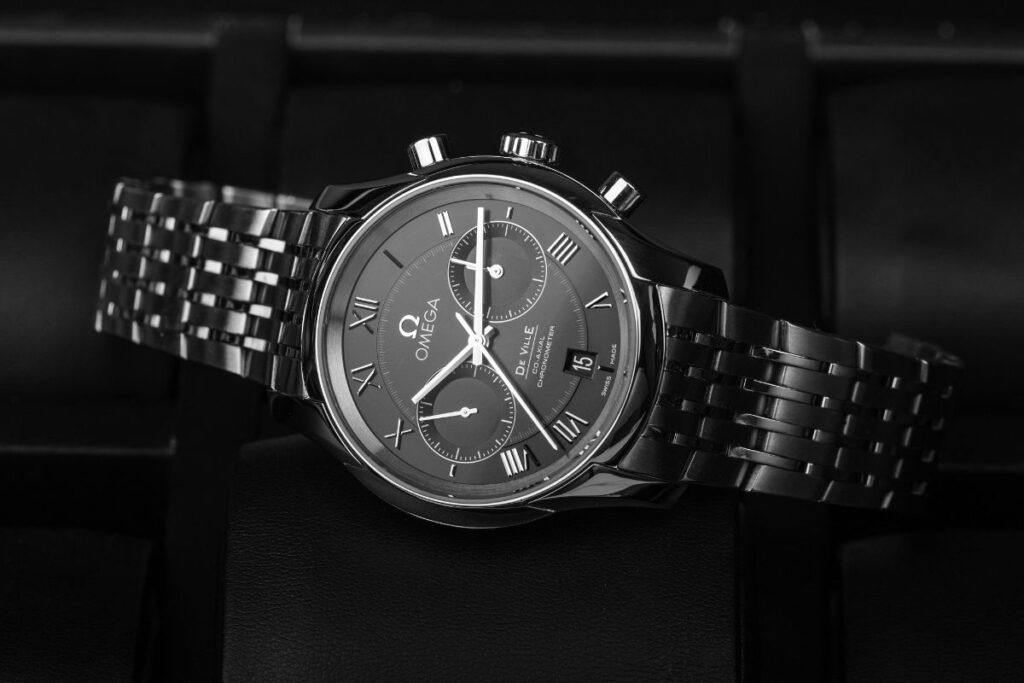
Watch design evolves slowly by nature. While there are annual releases and refinements, the fundamentals remain consistent. Proportions, dial layouts, and case shapes are adjusted rather than reinvented.
This restraint is one reason certain brands remain enduringly popular. OMEGA watches are often appreciated for designs that balance technical credibility with visual clarity. Their appeal lies in continuity rather than novelty, which allows models from different eras to coexist comfortably.
Timeless design does not chase attention. It earns relevance through repeated use.
The rise of considered ownership
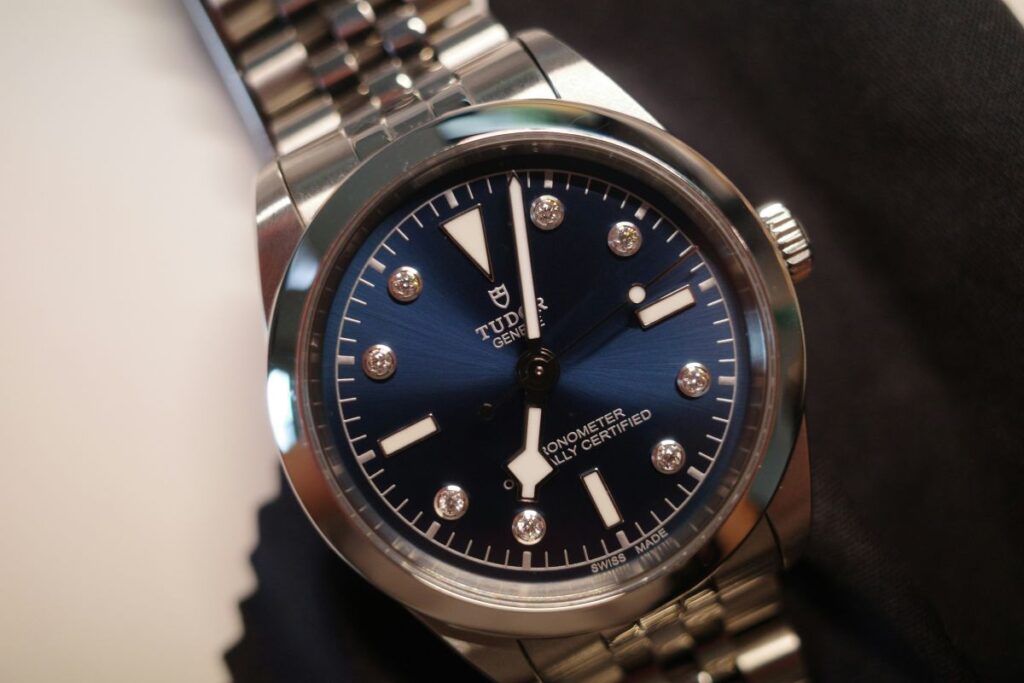
Alongside this appreciation for longevity, buying habits are changing. More collectors and style-led buyers are questioning the default assumption that new is always better.
Pre-owned watches have become increasingly attractive because they offer transparency. Value is shaped by condition, desirability, and market demand rather than retail positioning. Buyers can make informed decisions based on established pricing rather than speculation.
This shift has also encouraged interest in alternatives to the most recognisable names. Collectors are exploring brands and references that offer comparable quality without the noise that often surrounds headline luxury pieces. Resources such as guides to alternatives to Rolex have become popular for precisely this reason, helping buyers understand where genuine value and character can be found beyond the obvious choices.
Practical craftsmanship over spectacle
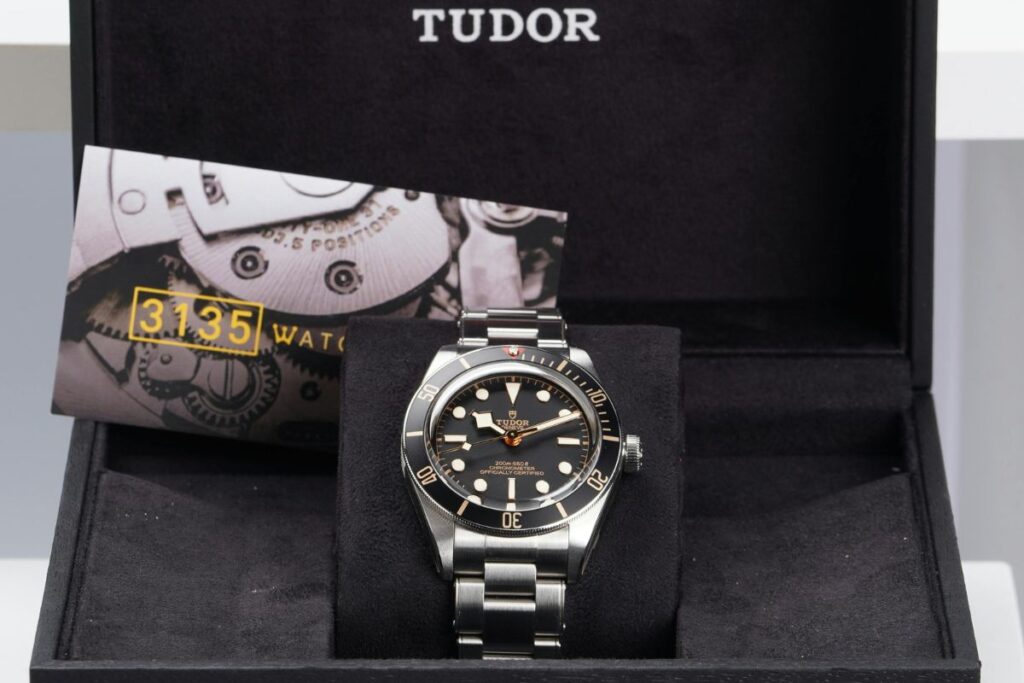
Many modern buyers are drawn to watches that prioritise function over excess. Robust construction, reliable movements, and practical features tend to age better than overt design statements.
This is where TUDOR watches continue to resonate. Known for their durability and straightforward design language, they appeal to those who value substance over display. In a market increasingly focused on authenticity, this approach feels refreshingly grounded.
Rather than signalling status, these watches signal intention.
Watches as personal markers
Perhaps the most enduring reason mechanical watches remain relevant is their role as personal markers. A watch is typically worn daily, becoming part of how someone presents themselves to the world.
Unlike clothing or technology, watches are rarely rotated constantly. They settle into routine, gathering meaning through repetition. Over time, they reflect taste, values, and priorities rather than trend-following.
In an era where individuality is increasingly prized, this quiet form of self-expression carries lasting appeal.
Enduring relevance in a fast-moving world
Mechanical watches are not resisting modernity. They simply offer an alternative relationship with it. One built on patience, craftsmanship, and long-term thinking.
As more people seek balance between progress and permanence, the appeal of objects designed to last feels increasingly relevant. That is why mechanical watches continue to matter, even in a world that no longer needs them to tell the time.
Images courtesy of unsplash.com and pexels.com
Feature Image courtesy of MVS Watches