When people talk about a warm home, they usually mean the temperature, and doing things like turning the heating on and making sure it’s not cold. But the fact is that warmth can mean all kinds of different things, and you’ll definitely be able to feel the difference between a heated home and a warm one.
So what makes the difference? And how do you design a home that feels warm in every sense? Keep reading to find out.
Warmth Starts With How It Feels
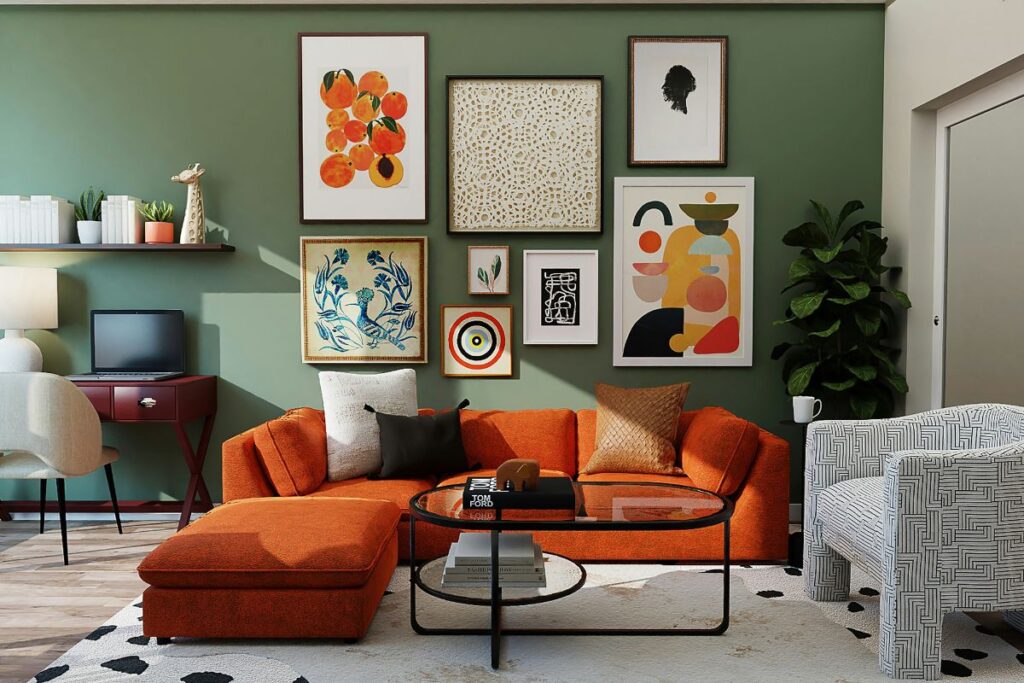
A home can be fully heated and still feel cold if it’s too stark and empty, and things like hard floors, bare walls, and harsh lighting can all make a space feel a lot less inviting, even when the temperature is technically fine.
That’s why it’s good to have some softer elements in your design, and that could include rugs, curtains, layered lighting, and natural materials. They’re good because they basically take the edge off a room, and even better you don’t have to add a load of clutter as long as you’ve got some texture – texture is what makes a space feel comfortable rather than clinical.
Proper Heating Makes A Difference
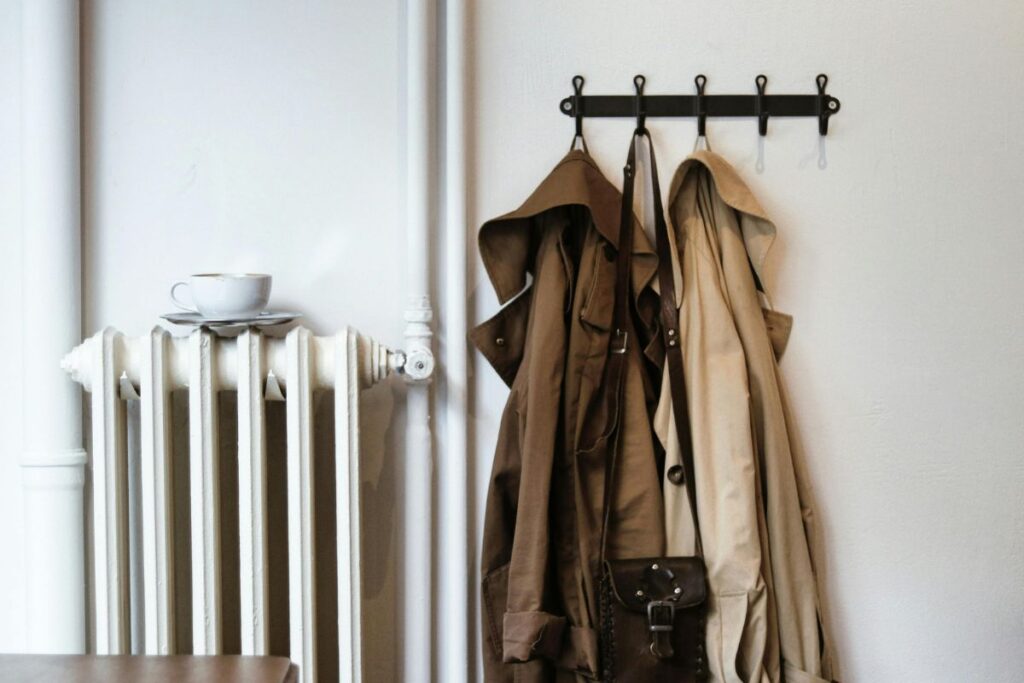
Of course, physical warmth still matters, and if rooms don’t heat evenly or they lose warmth quickly, it’s going to be hard to feel properly cosy no matter how many throws and blankets you add.
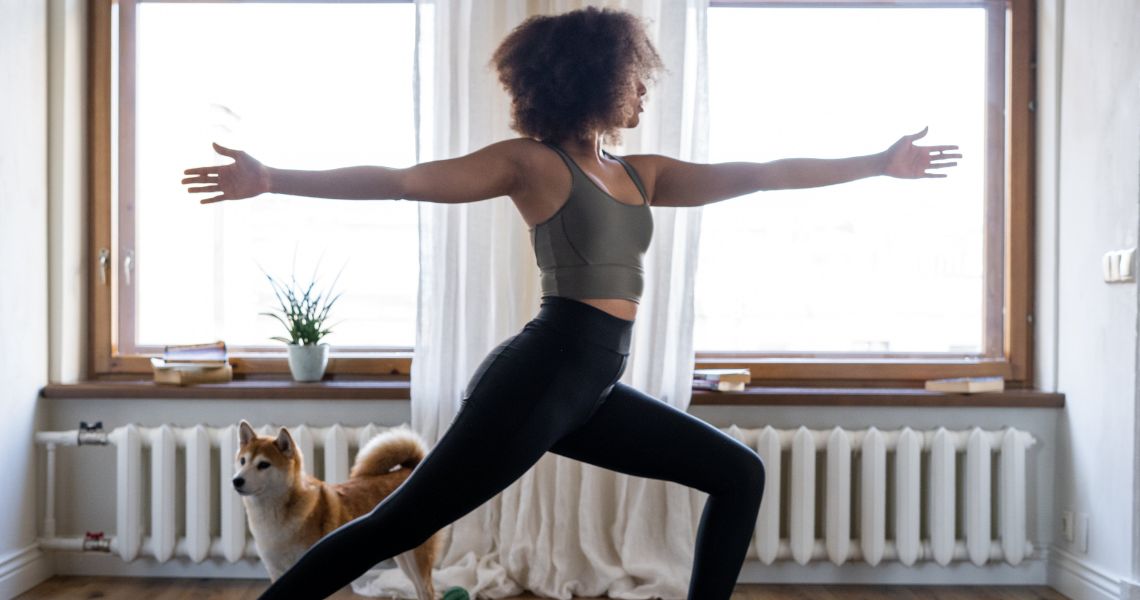
The problem is that older systems don’t always distribute heat very well, and your radiator might be too small for the room or in the wrong place, for example, which is why something like cast iron radiators can genuinely change how a space feels. They hold heat well, release it steadily, and tend to create a more even lasting warmth that doesn’t disappear as soon as the heating is switched off.
You Need To Get Colour And Light Right
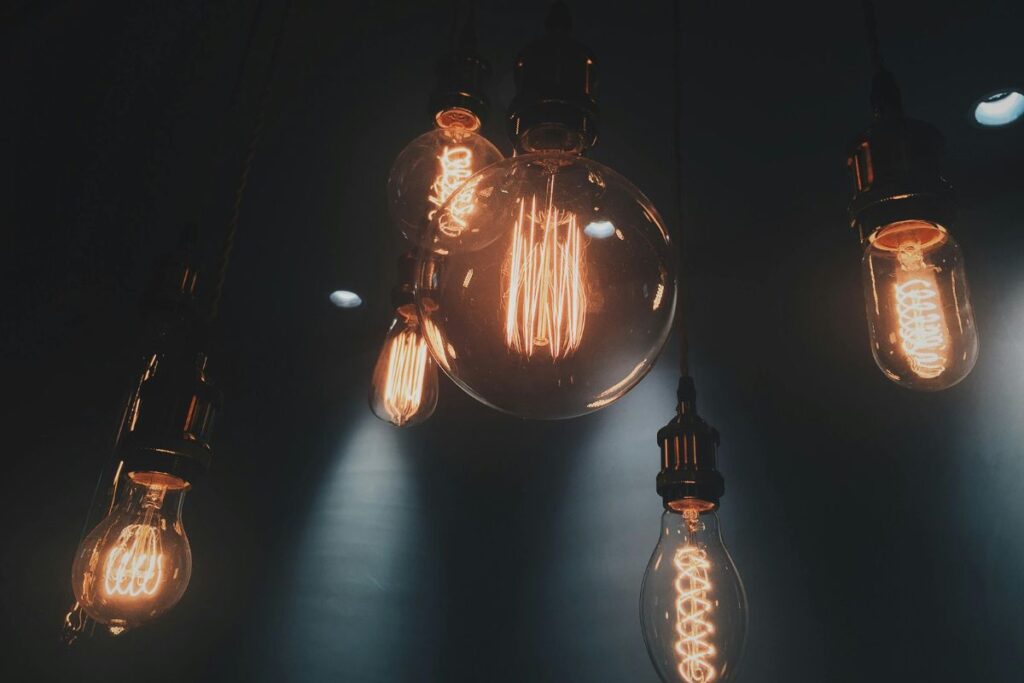
Cool white bulbs and pale grey walls might look very modern, but they don’t always make a home that feels warm. However, having slightly warmer tones and richer, softer colours can totally transform the atmosphere of a room for the better – it’s amazing how it happens.
If you’re not sure where to start, you could swap your current light bulbs for warmer toned ones, or maybe just add a lamp in a corner so you don’t have to have the big light on all the time (or what about installing a dimmer switch?). Once you see how it works, you’ll be keen to move on and try other things too.
A Warm Home Is Also How You Live In It
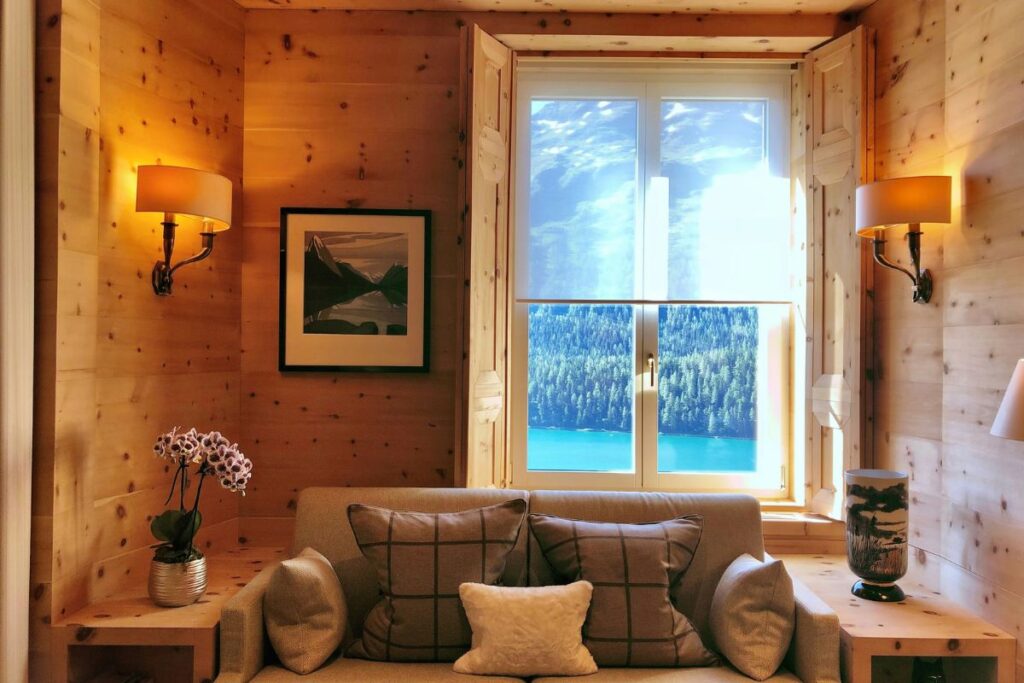
Warmth isn’t just a physical thing – it’s about comfort as well.
That means having spaces you actually use, a chair you really like sitting in (and look forward to using), a kitchen table where life gets to happen, and, most importantly, your rooms are set out to be lived in, not just to look nice.
Basically, if a home feels easy to live in, it’s definitely going to automatically feel so much warmer.
Images courtesy of unsplash.com, Freepix and pexels.com