
Drooping eyelids, medically known as ptosis, occur when the upper eyelid begins to sag lower than it should, potentially covering part of the eye. While it’s often associated with the natural ageing process, drooping eyelids can also be influenced by other factors such as genetics, muscle weakness, or certain health conditions.
For some individuals, this condition can become more than just a cosmetic concern, as it may impair vision or cause discomfort. Fortunately, various treatment options, including ptosis surgery, can help address the issue and restore both function and appearance. In this article, we’ll explore how to recognise drooping eyelids, some at-home remedies and lifestyle adjustments that may help, and professional treatments available for more severe cases.
Recognising Drooping Eyelids
Before considering treatment options, it’s important to first determine if you have drooping eyelids. While the condition may seem obvious to some, in many cases, it can develop gradually and go unnoticed until it becomes more pronounced. Here are some common symptoms to look out for:
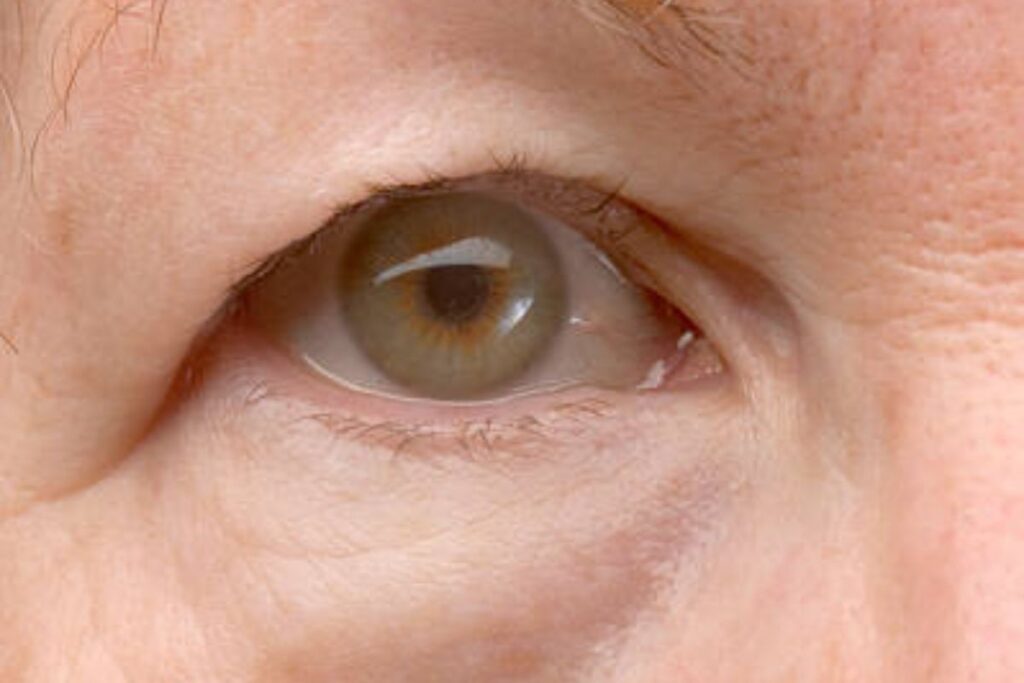
- Difficulty keeping the eyes open: If you frequently feel like your eyelids are heavy or find it challenging to keep them fully open, you may be experiencing drooping.
- Eye fatigue: Drooping eyelids can make your eyes feel tired, especially after extended periods of focusing, such as reading or using a computer.
- Impaired vision: In more severe cases, the eyelid may sag low enough to partially block your vision, making it harder to see clearly.
- Aesthetic changes: While not always accompanied by discomfort, some people may notice changes in their appearance as the upper eyelid begins to droop lower than before.

If these symptoms are familiar, you may be dealing with drooping eyelids, and it’s worth exploring treatment options based on the severity of the condition.
At-Home Remedies and Lifestyle Adjustments
For those with mild drooping, there are several at-home remedies and lifestyle adjustments that may provide some relief or slow the progression of the condition.
Eye Exercises
One potential way to alleviate mild drooping is by performing eye exercises to strengthen the muscles around the eyelids. One simple exercise involves closing your eyes and placing your index fingers on your eyelids. Gently lift your eyebrows while keeping your eyes closed, holding the position for a few seconds before relaxing. Repeating this process regularly may help strengthen the eyelid muscles and reduce the sagging effect.
Proper Sleep Habits
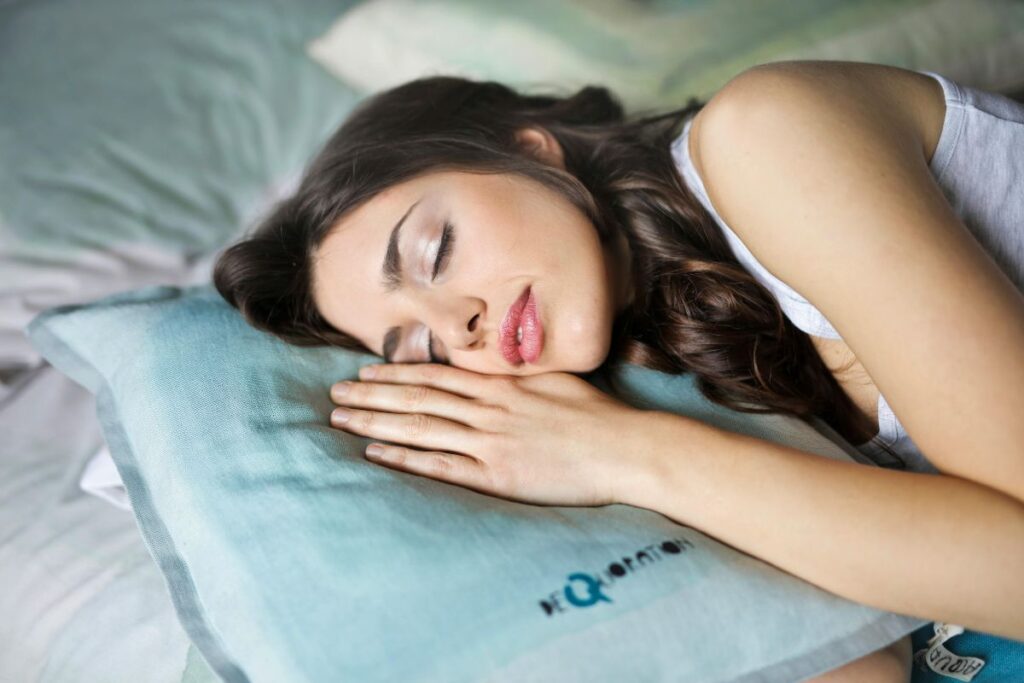
A lack of sleep can exacerbate drooping eyelids, as fatigue may cause the muscles around the eyes to weaken or sag further. Ensuring you get enough rest each night (typically seven to nine hours for adults) can help prevent the condition from worsening. A consistent sleep schedule, along with proper sleep hygiene, can work wonders for overall eye health.
Use of Cold Compresses
Cold compresses can provide temporary relief for drooping eyelids by reducing swelling and tightening the skin around the eyes. Applying a cold compress for five to ten minutes at a time can help to reduce puffiness and give your eyes a more refreshed appearance.
Adjusting Skincare Routine
Gentle care of the skin around the eyes is crucial in preventing further irritation or sagging. Incorporating a mild, hydrating eye cream into your skincare routine can help maintain the elasticity of the delicate skin around the eyes. Avoid harsh skincare products that might irritate or dry out the eyelid area, which could contribute to further drooping.
Lifestyle Tips to Prevent and Manage Drooping Eyelids
Aside from at-home remedies, certain lifestyle adjustments can also play a significant role in preventing or managing drooping eyelids.
Avoiding Eye Strain
Prolonged screen time or activities that require intense focus can strain your eyes, potentially worsening drooping. To combat this, take regular breaks using the 20-20-20 rule: every 20 minutes, look at something 20 feet away for 20 seconds. Adjusting your work environment, such as ensuring proper lighting and maintaining an ergonomic posture, can also reduce strain on your eyes.
Wearing Sunglasses

Exposure to UV rays can accelerate the ageing process, particularly around the eyes, leading to premature sagging of the eyelids. Wearing sunglasses that provide full UV protection can help prevent this. Look for sunglasses labelled with “UV400” to ensure your eyes are fully shielded from harmful rays.
Healthy Diet

Maintaining a diet rich in antioxidants can help keep your skin and muscles, including those around your eyes, healthy. Foods like leafy greens, nuts, berries, and fish, which are high in vitamins A, C, and E as well as omega-3 fatty acids, can support the overall health of your skin and may help slow the effects of ageing. Additionally, staying hydrated by drinking plenty of water throughout the day will help keep your skin plump and elastic, potentially reducing the severity of drooping eyelids.
Professional Treatments
If at-home remedies and lifestyle changes don’t provide sufficient relief, more advanced treatments may be necessary, particularly for those with moderate to severe drooping eyelids.
Botox Injections
One non-invasive option to address drooping eyelids is Botox injections. By relaxing the muscles responsible for causing the eyelid to droop, Botox can temporarily lift the eyelids and improve their appearance. While not a permanent solution, Botox can provide temporary relief for several months, making it an appealing option for those seeking a non-surgical treatment.
Ptosis Surgery
For more severe cases, ptosis surgery is a permanent solution that can correct drooping eyelids. This surgical procedure involves tightening the levator muscle, which is responsible for lifting the eyelid. By strengthening or shortening this muscle, the eyelid can be lifted to a more natural position, improving both the appearance of the eye and the patient’s vision if it has been obstructed. Ptosis surgery is typically considered when the drooping is severe enough to impair vision or cause significant discomfort.
Conclusion
Drooping eyelids are a common concern, often linked to ageing but also influenced by other factors like genetics or health conditions. The good news is that there are a variety of ways to manage and treat the condition, from simple at-home remedies like eye exercises and cold compresses to more advanced treatments such as Botox and ptosis surgery.
If you’re struggling with drooping eyelids and finding that home remedies aren’t providing enough relief, it’s always a good idea to consult with a healthcare professional. They can help determine the underlying cause and recommend the best course of action, ensuring that you can enjoy both improved function and appearance.
Images courtesy of unsplash.com and pexels.com