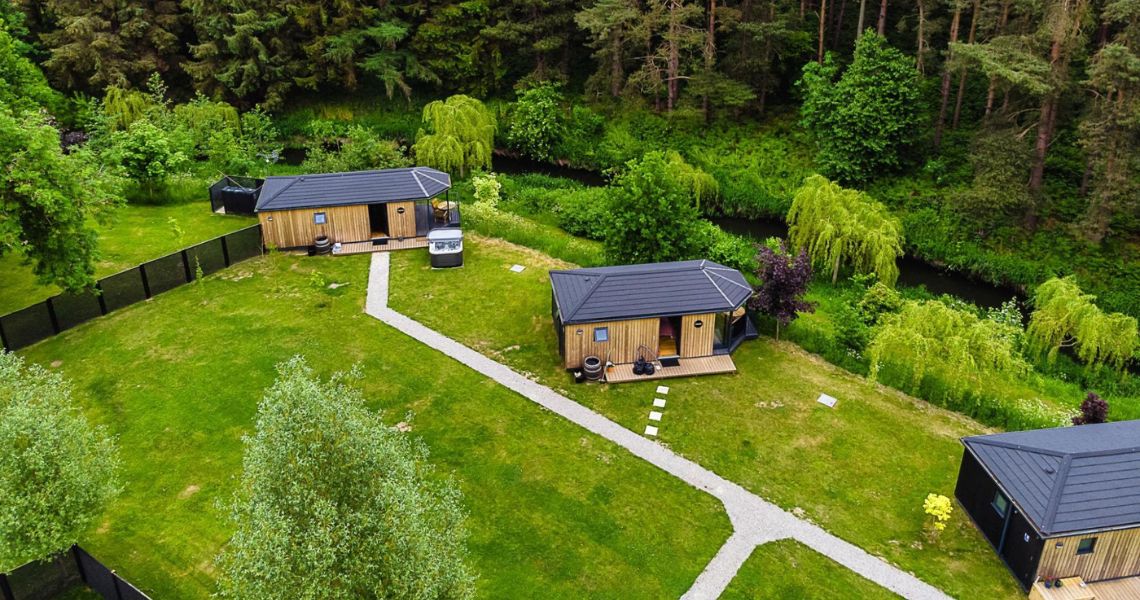
Recovery used to be described in narrow terms. It focused on stopping a behaviour, removing a substance or correcting a single problem. While these goals remain important, many people now recognise that healing rarely works in isolation. Human lives aren’t built around one habit alone, and so recovery can’t be either.
Across healthcare, wellbeing and community support services, a broader view is emerging. Holistic recovery looks not only at what someone needs to stop, but at what they need to rebuild. Instead of asking how to remove difficulty, it asks how to restore balance. This shift is gaining attention because it reflects how people actually live.
Moving Beyond Symptom-Focused Thinking
For a long time, treatment approaches concentrated on the most visible issue. If behaviour changed, recovery was considered complete. Yet many people found themselves struggling even after the primary problem improved.
Holistic approaches recognise that behaviours often connect to:
- Emotional strain
- Physical health
- Relationships
- Environment
- Routine and purpose
Addressing only one layer leaves the rest unchanged. Addressing the wider picture helps the change last. People aren’t simply removing something harmful; they’re learning how to live differently without it.
Rebuilding Identity, Not Just Stability

One of the most powerful aspects of holistic recovery is identity reconstruction. Many people describe their challenge as not knowing who they are without the behaviour they relied on.
Holistic support focuses on rediscovery:
- New routines that create structure
- Creative or physical activities that reconnect body and mind
- Conversations that rebuild confidence
- Daily responsibilities that restore self-trust
Recovery becomes less about resisting the past and more about forming a future.
The Role of Physical Wellbeing

Physical health strongly influences emotional resilience. Sleep patterns, nutrition, movement and rest all shape mood and decision-making. When these areas improve, mental clarity often follows.
Holistic programmes incorporate physical care because the body and mind influence each other constantly. Improving one supports the other, and together they strengthen long-term stability. This approach reframes recovery from a test of willpower into a process of restoration.
Community as a Healing Environment
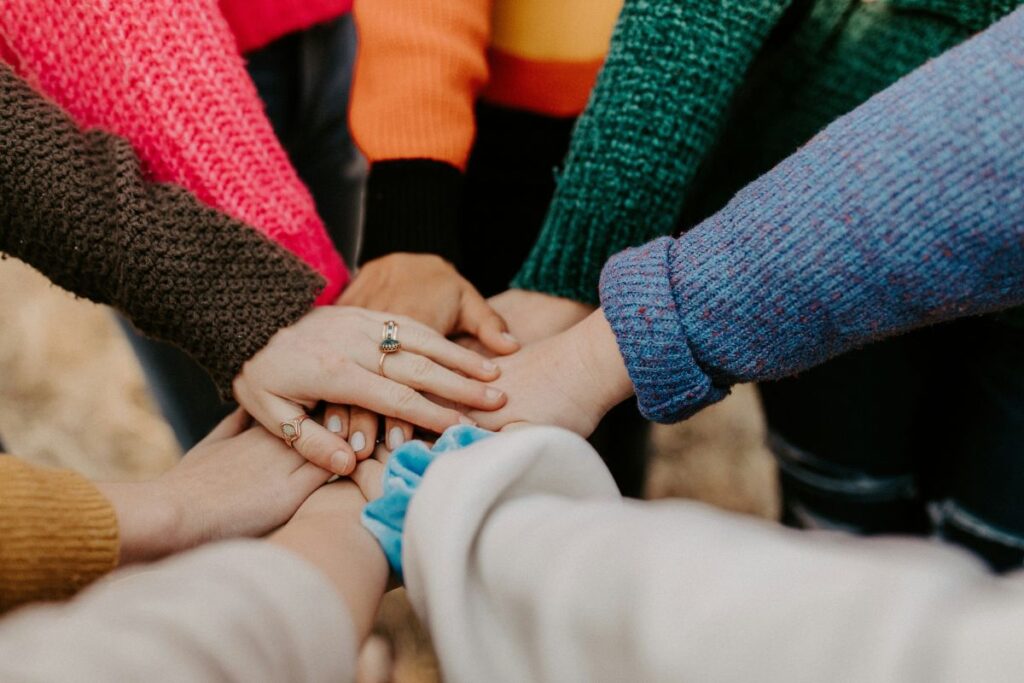
Isolation often intensifies personal struggles. Holistic recovery emphasises connection because change becomes sustainable when people feel understood and supported.
Shared activities, guided discussions, and supportive environments help people realise they aren’t defined by their past behaviour. They’re part of a wider community moving forward together.
Support systems such as Smarmore Castle offer drug rehabilitation in Ireland demonstrate how environment, structure and guidance can work alongside therapeutic care to create lasting change rather than temporary improvement.
Why People Are Responding to This Approach
Holistic recovery resonates because it feels human. It doesn’t treat people as problems to fix but as individuals adapting to a new stage of life.
People increasingly seek approaches that:
- Encourage self-understanding
- Promote emotional awareness
- Support daily living skills
- Restore confidence gradually
The focus moves from control to growth. Rather than constantly managing risk, people build lives where harmful patterns no longer fit.
A Shift Towards Long-Term Healing
The growing attention around holistic recovery reflects a broader understanding of wellbeing. Health is no longer seen as the absence of difficulty but as the presence of balance. When someone strengthens relationships, routines, and self-belief alongside behavioural change, recovery stops feeling fragile; it becomes integrated into everyday life.
This is why holistic approaches continue to gain recognition. They acknowledge that healing isn’t a single decision or moment of effort; it’s a steady rebuilding of stability, purpose and connection. And when recovery is built on those foundations, it becomes something more powerful than stopping a behaviour; it becomes starting a life that no longer depends on it.
Images courtesy of unsplash.com, pexels.com and Freepix.com