
Smoking habits have changed dramatically over the past few decades. In 1972, 51% of men and 41% of women smoked, vs 15.1% and 11.5 respectively in the early 2020s. In other words, fewer people are smoking in general. But that doesn’t mean that those who do can quit easily. In fact, many adults struggle.
For some, repeated failed attempts to stop smoking become a personal weakness. But in some cases, there may be neurological factors at play. If quitting has always felt disproportionately difficult and ADHD traits are present, exploring a private adult ADHD assessment may offer valuable clarity.
What is the connection between ADHD and nicotine? The moment you understand this, it can shift the conversation away from willpower and give you more control over your brain.
Nicotine and Dopamine
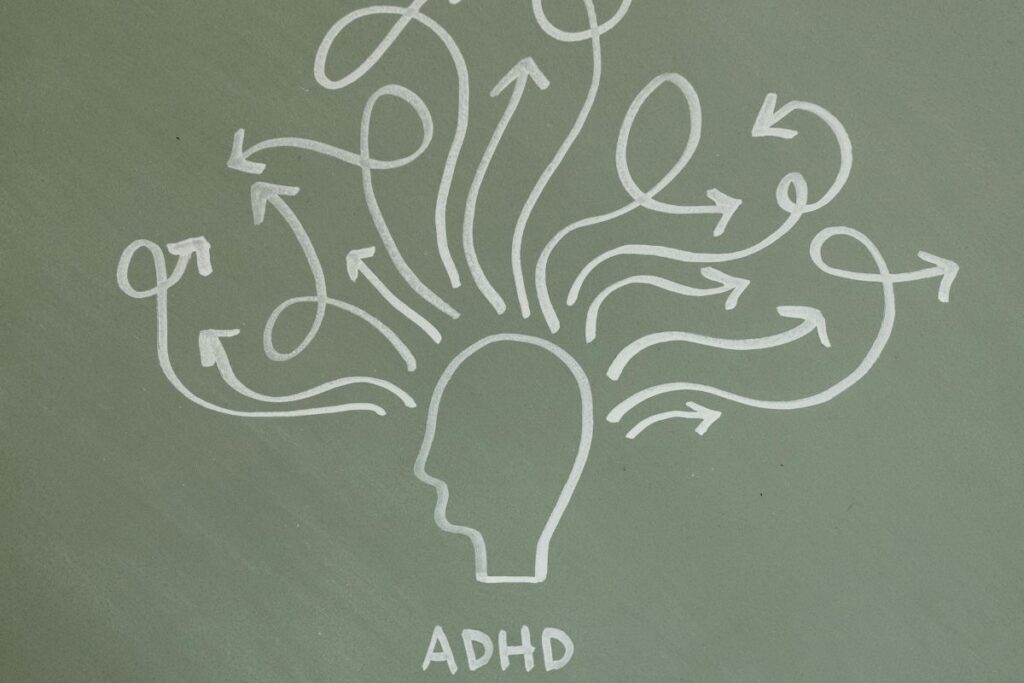
Dopamine is a neurotransmitter involved in motivation, reward, and focus. ADHD is associated with differences in dopamine regulation, which can affect attention, impulse control, and emotional stability.
Nicotine temporarily increases dopamine levels in the brain. For someone with ADHD, it can be game-changing:
- Concentration may improve.
- Restlessness may settle.
- There can be a short-lived sense of calm.
Because the effect is immediate, the brain quickly associates nicotine with relief.
Self-Medication for Concentration
Many adults report that smoking helps them “think straight” or stay on task. This is especially common in high-pressure work environments or during mentally demanding activities.
For individuals with undiagnosed ADHD, cigarettes can function as an unconscious form of self-medication. The short-term improvement in focus may mask the underlying condition, delaying proper assessment or support.
The difficulty arises when trying to quit. Removing nicotine can temporarily worsen attention difficulties, irritability, and restlessness. Without addressing the root cause, cessation attempts may feel destabilising, leading to relapse.
Higher Stress Reactivity

ADHD is also linked to heightened stress sensitivity and emotional intensity. Everyday frustrations may feel amplified. Overstimulation can build quickly in busy or demanding environments.
Smoking often becomes a coping mechanism that brings a temporary sense of emotional regulation.
When quitting, that coping tool disappears. Without alternative strategies in place, stress can feel more acute and difficult to manage. This emotional discomfort is one of the reasons relapse rates are higher among individuals with ADHD.
Impulsivity and Sensation-Seeking Behaviours
Impulsivity and novelty-seeking are core features of ADHD for many people. These traits can increase the likelihood of experimenting with cigarettes at a younger age. Unfortunately, early smoking initiation is strongly associated with greater long-term dependence.
Nicotine’s stimulating effect can also appeal to sensation-seeking tendencies, which can feel rewarding.
Impulsivity may further complicate quitting. Long-term goals, such as improved health, can be overshadowed by the immediate urge to relieve discomfort or boredom.
The Role of Nicotine Pouches

For some adults, nicotine pouches are considered a tobacco-free alternative to smoking. Because they remove many of the harmful by-products associated with cigarettes.
However, nicotine pouches still contain nicotine and are not risk-free. They may serve as a harm-reduction step for some individuals, but they do not address dependence itself.
Recognising the neurobiological link between ADHD and smoking changes the narrative. Rather than framing repeated quit attempts as a lack of discipline, it encourages a more informed and compassionate understanding of why the struggle exists in the first place.
Images courtesy of unsplash.com, pexels.com and Freepix.com